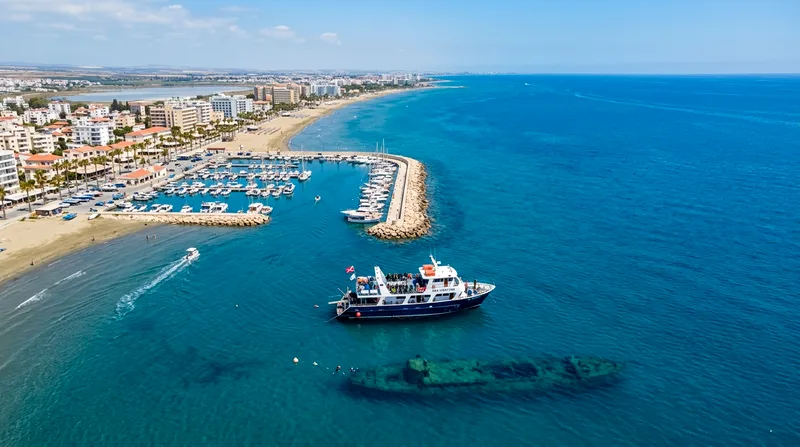
Zenobia Wreck Dive in Larnaca: Guide & Operators
Plan your Zenobia wreck dive in Larnaca: certification needed, booking options, typical costs, best season, and nearby Cyprus dive sites.
9 min read · 15 Oct 2026
Tours & activities
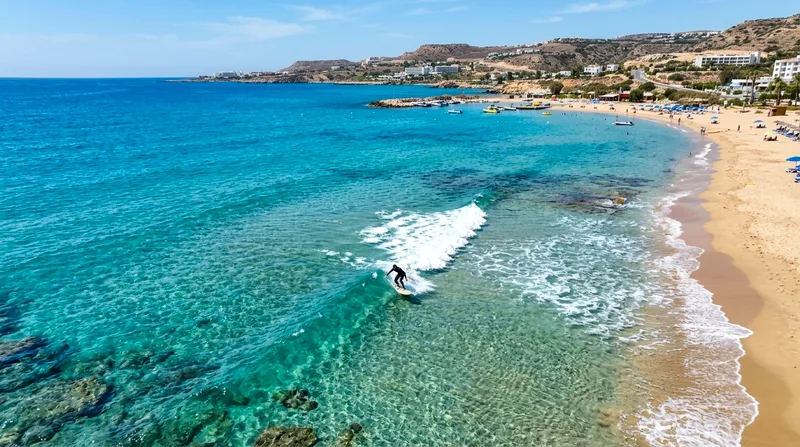
Planning Cyprus watersports? Compare surfing, kitesurfing, diving and paddleboarding, find the right spot and season, and book with confidence.
Cyprus watersports split fairly cleanly by ability and temperament, and matching yourself honestly to a category saves wasted money. The island sits in the Mediterranean, not the Atlantic, so anyone picturing reliable six-foot swells is chasing the wrong coastline — Cyprus works best for divers, kitesurfers, and anyone happy with a gentle paddle or snorkel. Below is how each group tends to fare.
Surfing in Cyprus is real but inconsistent. Swell comes from winter storms crossing the Mediterranean, not the long-period Atlantic groundswells you'd get in Portugal or the Canaries, so expect wind-driven, short-period waves that rarely exceed a few feet. The most talked-about spot sits near Paphos, where a reef and point break can produce rideable waves from November through March. Outside that window, forget it — summer is flat. If you're an advanced surfer used to proper barrels, this isn't your trip; book a surf lesson here as a curiosity, not a surf holiday centerpiece. Bodyboarders have an easier time, since smaller, mushier waves suit bodyboards better than shortboards.
This is where Cyprus earns its reputation. Larnaca and the stretch toward Ayia Napa get a strong, thermal-driven westerly wind most summer afternoons, often holding 15-25 knots from May through September — reliable enough that several schools run kitesurfing lessons daily during that stretch without cancelling for lack of wind. Limassol's coastline also delivers consistent cross-shore wind, with flatter water in places that suits beginners learning body-dragging and water starts. Windsurfers get similar benefit from the same thermal pattern. Compare this to Rhodes, which has a well-known windsurfing bay at Prasonisi but a shorter reliable season, and Cyprus holds up well as a longer-window alternative.
Diving is arguably Cyprus's strongest watersports category. The Zenobia wreck off Larnaca is rated among the better wreck dives in the Mediterranean, sitting between 16 and 42 metres and suitable for both Open Water divers (shallower sections) and technical divers wanting deeper penetration. The Akamas Peninsula, at the island's western tip, offers marine reserve diving and snorkeling with better visibility and less boat traffic than the resort beaches. Water temperature ranges roughly from 16°C in winter to around 27°C in August, so winter diving needs a thicker wetsuit or drysuit. Snorkelers do well in rocky coves near Paphos and around the Akamas, where sandy-beach visibility can't compete with rockier terrain.
If you just want an easy afternoon on the water, paddleboarding and kayaking around Ayia Napa's calmer bays or Limassol's marina area suit families and anyone without prior experience. Mornings are best — wind tends to build through the afternoon, especially in kitesurf-friendly zones, so a 9am paddle beats a 3pm one. Don't book a paddleboard session in the same bay as a kite school's peak hours; you'll spend half the time dodging kite lines.
Tours and lessons in Cyprus generally fall into a handful of formats, and the format matters more than the sport sometimes. A private kitesurf lesson and a group snorkeling trip have more in common logistically than two different group dive trips with different operators. Below are the two splits worth understanding before you book anything.
Diving and kitesurfing offer the most reliable, bookable experiences in Cyprus, while surfing remains weather-dependent and seasonal.
Cyprus watersports categories compared: cost, duration and skill level
| Category | Typical duration | Skill level | Best season | Group or private |
|---|---|---|---|---|
| Surf lesson (Paphos area) | 1.5-2 hours | Beginner to intermediate | November-March | Mostly group |
| Kitesurf lesson | 2-3 hours per session | Beginner to advanced | May-September | Both available |
| Discover Scuba dive | Half-day (3-4 hours) | No experience needed | Year-round, best April-October | Group, small ratio |
| Certified diving trip | Half-day, 2 dives | Open Water cert or above | Year-round | Group boat, private guide optional |
| Snorkeling tour | 1.5-3 hours | None | April-October | Group |
| Paddleboard/kayak rental | 1 hour to half-day | None | Year-round, calmer May-September | Usually self-guided or small group |
Typical figures based on standard industry practice; exact durations and seasonal cutoffs vary by location and operator, so confirm before booking.
Group sessions — typically four to eight people per instructor for diving, two to four for kitesurfing — cost less per head and suit sociable travelers or anyone on a budget. Private sessions cost noticeably more but get you faster progress, which matters most for kitesurfing, where water-starts and kite control need close, immediate correction. For diving, group boat trips work fine for certified divers since everyone's largely independent underwater; private guiding matters more for nervous beginners or underwater photographers wanting to linger. If you're traveling as a couple, a private kite lesson split two ways often costs little more than two group spots, so ask about couple rates specifically.
Beginner packages almost always bundle equipment, a set number of hours (commonly 2-3 for a first kite or surf lesson, a half-day for Discover Scuba dives), and basic safety briefing. Advanced options assume you bring or rent your own gear, hold a relevant certification (PADI or SSI for diving, IKO level for kiting), and want site access rather than instruction. The mistake I see often: experienced divers booking a "beginner-friendly" boat trip because it was the only one with availability, then finding the dive profile too shallow and short to be worthwhile. Check the stated maximum depth and dive time before booking if you're already certified.
Booking Cyprus water sports shouldn't be complicated, but a few details separate a good session from a frustrating one. Read the listing closely rather than going on photos alone.
Check whether wetsuits are included — for diving outside summer months, a 5mm wetsuit is close to essential, and rental add-ons can inflate a cheap-looking price. For kitesurfing, confirm whether the kite, board, harness, and buoyancy aid are all included or whether some are optional extras. Surf lesson packages should include the board and, ideally, rash vest or wetsuit given the Mediterranean's cooler winter surf season. Always ask if photos or video are included or a paid add-on — diving operators especially like to upsell GoPro footage of your dive.
For beginner kitesurfing, a ratio of one instructor to two students is reasonable; anything beyond that and you'll spend much of your two hours waiting your turn on the water. Diving ratios matter even more for safety — four students per instructor is a common standard for Discover Scuba experiences, and anything higher is worth questioning directly before you pay. Don't assume a lower price automatically means a worse ratio, but don't assume the opposite either; ask directly.
Wind and swell in Cyprus can shift within a day, particularly for kitesurfing and surfing. A reasonable operator should offer a free reschedule or refund if conditions make the activity unsafe or pointless — flat wind for kiting, no swell for surfing. Diving trips get cancelled less often but can still be affected by strong wind chop on exposed sites like the Zenobia. Avoid any booking that doesn't clearly state its weather policy; it's one of the fastest ways to tell a well-run operation from a sloppy one.
Timing in Cyprus watersports is sport-specific, not just seasonal in the generic sense. Booking the right month matters more here than booking the right operator.
Kitesurfing peaks from May to September when Larnaca and Limassol's thermal winds are most consistent; shoulder months (April, October) still work but with less reliability. Surfing flips the calendar — November through March is the window near Paphos, driven by Mediterranean winter depressions, and summer is essentially flat for anyone hoping to surf. Diving runs year-round, but visibility and comfort peak from June to October when water temperature sits around 24-27°C; winter diving around the Akamas or the Zenobia is colder but often clearer, since fewer boats stir up sediment. Paddleboarding and kayaking are best avoided in peak kitesurf wind hours and work best as a morning activity.
For July and August, book kitesurf lessons and popular dive trips at least a week ahead — this is peak European holiday season and instructors fill up, especially around Ayia Napa. Shoulder season (April-May, September-October) generally allows booking just a day or two ahead. Winter surf lessons near Paphos are low-demand enough that last-minute booking usually works, though it's worth checking the forecast first since a flat week means a wasted trip.
Cyprus's watersports geography breaks down by coast, and knowing which town suits which sport avoids a lot of wasted travel time. Ayia Napa, on the southeast coast, is the island's watersports hub by volume — jet skiing, parasailing, banana boats, and some kitesurfing cluster around its sandy bays, making it the busiest and most touristy option. Larnaca, just along the coast, has calmer water for diving day trips out to the Zenobia and steadier wind for kitesurfing schools based near the marina. Limassol, further west, mixes a working port city feel with decent kite conditions and easy access to Troodos Mountains day trips if you want to break up beach days with a cooler, inland excursion. Paphos, on the west coast, is the surf and snorkel base, plus the gateway to the Akamas Peninsula's marine reserve — quieter, rockier, and better for wildlife than the sandy east coast resorts.
Compare this geographic spread to somewhere like Malta, where the whole island's watersports scene concentrates around Comino and Gozo's clearer water but with less kitesurf-reliable wind, or Crete, which has more varied coastline but less organized beginner infrastructure outside Chania and Heraklion. Cyprus's advantage is having distinct zones for distinct sports within a two-hour drive of each other — you could kitesurf in Larnaca in the morning and dive the Akamas the next day without much driving fatigue.
It depends entirely on the sport. May to September suits kitesurfing and summer diving, November to March suits the limited surf season near Paphos, and diving itself runs year-round with warmer, clearer water from June through October.
No — beginner lessons exist for surfing, kitesurfing, and diving (Discover Scuba dives require no certification). Paddleboarding and kayaking need no experience at all. Just check the listing specifies "beginner" or "no experience necessary" rather than assuming.
Expect equipment (board, kite, wetsuit, or tank and BCD for diving), instructor time, and basic safety gear like a buoyancy aid or rash vest. Confirm separately whether transport to the launch site, photos, and insurance are included, since these vary and are common upsells.
Often yes, especially outside July-August peak season or for winter surf lessons. Summer kitesurfing and popular dive trips to the Zenobia fill up faster, so book at least a few days ahead during June through August to avoid disappointment.
Paddleboarding and guided snorkeling are the easiest entry points with virtually no learning curve. For something more active, a Discover Scuba dive or a two-hour kitesurf lesson in Larnaca both offer structured, low-risk introductions with an instructor present throughout.
Plan your Zenobia wreck dive in Larnaca: certification needed, booking options, typical costs, best season, and nearby Cyprus dive sites.
9 min read · 15 Oct 2026
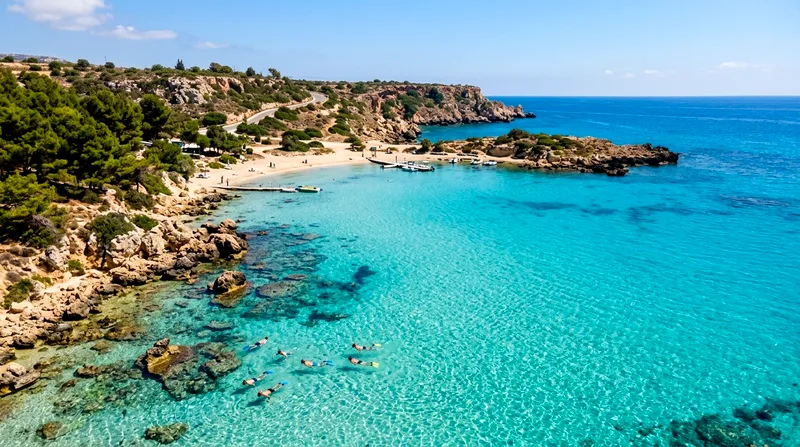
Compare Cyprus snorkelling tours at Protaras, Ayia Napa and beyond. Guided vs DIY, gear rental, marine life, costs and how to book the right one.
9 min read · 15 Oct 2026
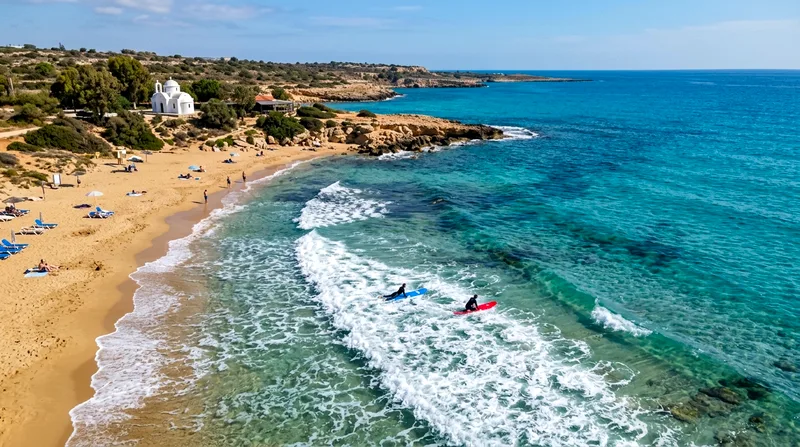
Discover Cyprus surf spots, swell conditions, and where to rent boards or take lessons. Honest guide to surfing in Cyprus year-round.
9 min read · 15 Oct 2026
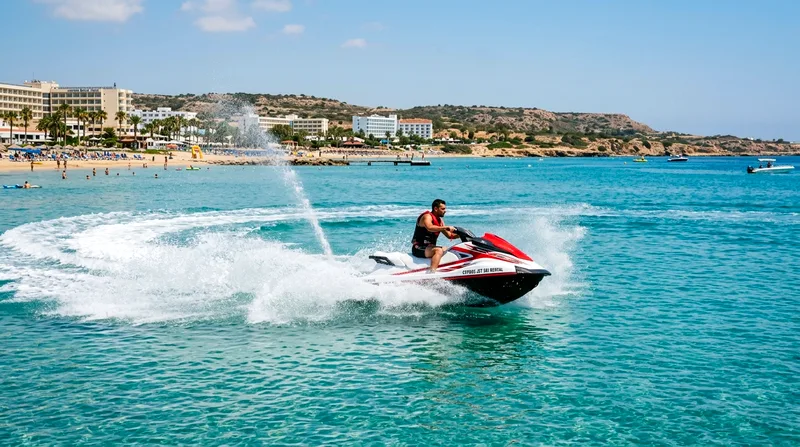
Compare jet ski rentals and parasailing across Cyprus resorts. Find prices, safety standards, and booking tips for Ayia Napa, Protaras, and more.
10 min read · 15 Oct 2026
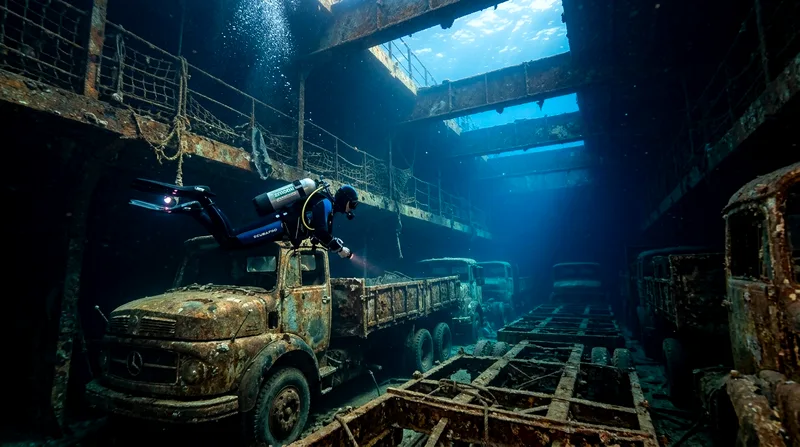
Explore Cyprus scuba diving tours: Zenobia wreck dives, Protaras reefs, Paphos caves. Compare dive centres, certification options and booking tips.
9 min read · 15 Oct 2026
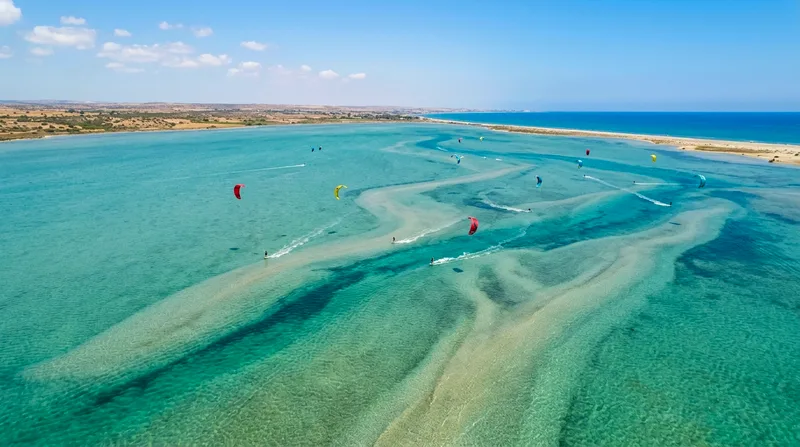
Find the best Cyprus kitesurfing lessons, compare spots and schools for beginners and advanced riders, and learn when to book for peak wind.
9 min read · 15 Oct 2026