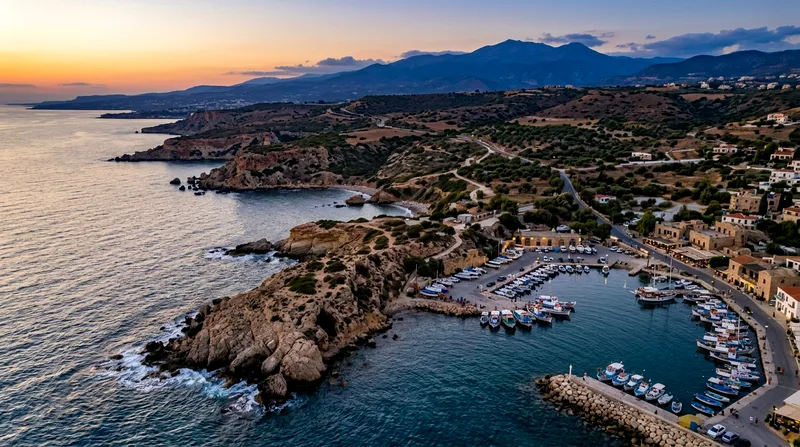
Cyprus Regions Guide: Where to Base Your Trip
A practical Cyprus regions guide comparing Paphos, Limassol, Ayia Napa, Troodos, and Larnaca to help you pick the right base for your trip.
10 min read · 15 Oct 2026
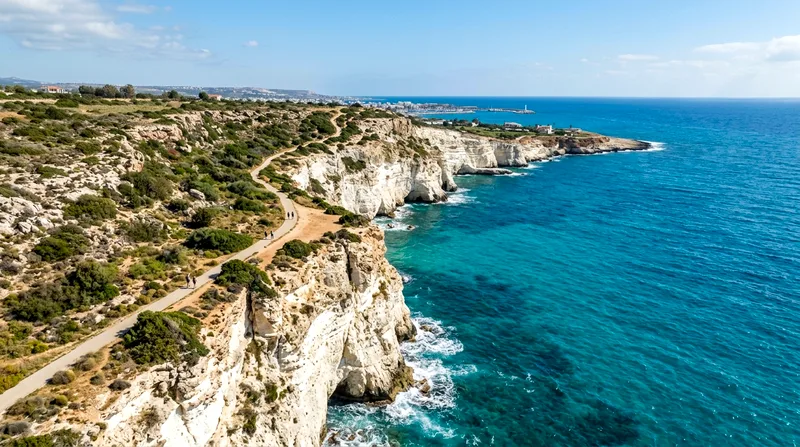
Cyprus Trip Planning Guide
Plan your Cyprus trip with a practical guide covering budgets, transport, accommodation, and what to book in advance for a first time visit.
Cyprus trip planning starts with the calendar, because the island's weather swings harder than most Mediterranean destinations between seasons. Summer (June through August) runs hot — Nicosia and Larnaca regularly hit 35-38°C in July and August, which is uncomfortable for walking tours or hiking and genuinely risky for small children or anyone with heart conditions. If beach time and warm sea swimming are the priority, this is still peak season for a reason: the Mediterranean Sea sits around 27°C and barely drops below swimmable through October.
Spring (April-May) and autumn (September-October) are the sweet spot for most visitors. Temperatures sit in the low-to-mid 20s, the Troodos Mountains are green rather than scorched, and hiking trails around Mount Olympus are actually pleasant rather than punishing. Winter (December-February) surprises people — it's mild on the coast, often 15-18°C in Paphos, but cold and occasionally snowy in the Troodos, where a couple of small ski runs operate most years. I'd avoid building a trip around Cyprus skiing specifically; the snow season is short and unreliable compared to proper Alpine resorts, but it's a fun half-day detour if you're already in the mountains.
Compared to Crete or Rhodes, Cyprus holds its warmth later into autumn, which is why late October here is often a better bet than the Greek islands if you want a last-minute sun trip.
Match the season to what you actually want to do. Divers and snorkelers should aim for May through September, when visibility is best and water temperature makes wetsuits optional for most people. Hikers and anyone wanting the Troodos villages at their best should target April-May or late September-October — summer heat makes the mountain trails exhausting even though the altitude cools things a few degrees versus the coast. Golfers and cyclists do well in winter and early spring, when coastal temperatures stay mild and crowds thin out. Birdwatchers should note that the Akrotiri and Larnaca salt lakes are most active with migratory flamingos from November to March, a detail most general guides skip entirely.
July and August push hotel rates up 30-50% in Paphos and Ayia Napa compared to shoulder months, and popular beach resorts fill up — book accommodation at least two to three months ahead if you're traveling in school holiday windows. Shift just two or three weeks either side of peak season and you'll find quieter beaches, easier restaurant bookings, and noticeably better value on car rental, which spikes hard in August. Easter is a specific exception: Orthodox Easter draws Cypriot domestic travelers to the coast and mountain villages, so don't assume late March or April is automatically quiet — check the Orthodox calendar before you book.
Three airports serve the island, and which one you fly into depends on where you're headed and which side of the Green Line you're visiting. Larnaca International Airport is the main hub for the Republic of Cyprus and the best choice for Nicosia, the Troodos, or a split trip. Paphos International Airport serves the southwest directly, saving you a 1.5-2 hour drive if your trip is based around Paphos or the western coast. Ercan Airport serves Northern Cyprus, but it has no direct international flights outside Turkey due to the political status of the north — most visitors to the north fly into Larnaca and cross the Green Line by land, which is straightforward with an EU or most Western passports but worth checking current rules for your nationality before booking.
There's no island-wide rail network, and bus coverage between towns, while functional, runs on infrequent schedules that don't suit a tight itinerary — this is a meaningfully bigger gap than you'd find in Mallorca or Sicily, both of which have better regional transit. Intercity buses connect Larnaca, Nicosia, Limassol and Paphos several times daily and cost roughly €5-9 one way, fine for a single city transfer but frustrating if you want flexibility.
Larnaca suits most first-time itineraries, while Paphos and Limassol work better if your trip is anchored on the west or south coast.
Cyprus airports and base towns compared for trip planning
| Base/Airport | Best for | Airport transfer time | Car rental need |
|---|---|---|---|
| Larnaca | Central base, Nicosia day trips, budget travel | 10-20 min to town | Moderate |
| Paphos | Beaches, ruins, west coast resorts | 15-25 min to resorts | Moderate |
| Limassol | Nightlife, marina, couples | 35-45 min from Larnaca | High |
| Nicosia | Capital city, Green Line crossing | 40-50 min from Larnaca | High |
| Troodos Mountains | Hiking, agrotourism, cooler summer escape | 60-90 min from coast | Essential |
Transfer times are approximate and vary with traffic and exact accommodation location; always check current routes before booking transport.
Flight time from the UK runs about 4.5-5 hours; from central Europe, closer to 3.5-4 hours. Airport transfers in Larnaca and Paphos are easy — pre-booked private transfers or taxis cost roughly €25-45 depending on distance to your hotel, and both airports have clearly marked taxi ranks. If you're renting a car, picking it up directly at the airport saves a transfer cost but compare that against a day or two of free time before you actually need a car, since parking in central Nicosia or Limassol can be its own hassle.
Rent a car. This is close to a non-negotiable recommendation for Cyprus, unlike Malta where the bus network genuinely covers most tourist needs. The Troodos Mountains, the Akamas Peninsula, and most of the best beaches sit well outside reliable bus routes, and taxis for day trips add up fast. Expect roughly €30-50/day for a compact car in shoulder season, more in July-August. Remember Cyprus drives on the left — a surprise for visitors coming from mainland Europe — and mountain roads in the Troodos are narrow with hairpin turns, so budget extra driving time rather than rushing between villages.
Cyprus sits in the middle of the Mediterranean price spectrum — cheaper than Mallorca or the French Riviera, roughly comparable to Crete and Rhodes, and generally pricier than inland Sicily once you factor in car rental and fuel. A realistic mid-range budget for two adults runs €120-180 per day covering a decent hotel, two restaurant meals, a rental car share, and activity costs. Budget travelers using guesthouses, self-catering, and public transport where feasible can get this closer to €60-90 per day per person. Luxury stays in Limassol's marina district or five-star Paphos resorts push well past €300-400 per night for the room alone.
Note that the Republic of Cyprus uses the euro, while Northern Cyprus largely runs on Turkish lira with euros widely accepted — if you're crossing the Green Line, carry some cash in both currencies since card acceptance is patchier in the north.
Limassol and Paphos run the most expensive for dining and resort stays, driven by tourism density and marina development. Larnaca is noticeably cheaper for comparable quality, partly because it's seen as an airport town rather than a resort destination — a mistake, since its old town and salt lake are worth two days on their own. Nicosia, the inland capital, offers the best value for food, since it caters to locals and office workers rather than tourists; a solid taverna lunch runs €10-15 versus €18-25 in beachfront Paphos.
Eat where Cypriots eat — village tavernas in the Troodos or inland from Limassol charge half of what beachfront equivalents do for the same meze spread. Buy a Cyprus Tourism Organisation city map or check their official site for free museum days, which rotate through the year. Self-catering apartments with a kitchenette cut food costs substantially if you're staying over five nights. Skip the all-inclusive resort model if you can — it locks you into one property's food and makes it harder to justify day trips you've already half-paid for.
Base choice shapes the whole trip. Paphos suits first-timers wanting beaches, ruins (the UNESCO mosaics), and an easy airport link. Limassol works for couples and those wanting nightlife, a marina, and a more urban coastal feel — it's the closest thing Cyprus has to a Monaco-lite scene, though nowhere near that price tier. Larnaca is underrated as a base: cheaper, central, close to the airport, and a reasonable hour-or-so drive to Nicosia or the Troodos foothills. Nicosia itself only suits travelers genuinely interested in a divided capital city and EU history rather than beach time.
Troodos Mountains accommodation is mostly small guesthouses and agrotourism stone cottages — book these directly with the property or through specialist agrotourism booking platforms, since big chains barely operate there. Coastal resort towns offer everything from hostels (rare but present in Larnaca and Ayia Napa) to five-star all-inclusives. If you want one night in the mountains and the rest on the coast, that split works well logistically — it's roughly a 1-1.5 hour drive from Limassol or Larnaca up into the Troodos villages like Kakopetria or Omodos.
Book coastal summer accommodation 2-3 months out; shoulder season needs just 3-4 weeks for most mid-range hotels. Troodos agrotourism cottages are genuinely limited in number, so book those 6-8 weeks ahead regardless of season if you have a specific property in mind. Flights are the one thing worth locking in earliest — Cyprus routes from UK and European hubs get noticeably pricier within 6 weeks of summer departure dates.
Most of Cyprus doesn't need pre-booking — tavernas, beaches, and museums are walk-up. But a handful of things genuinely benefit from booking ahead, either because capacity is limited or because prices rise closer to the date.
Boat trips around the Akamas Peninsula and Blue Lagoon fill up in July-August — book a day or two ahead in peak season, same-day in shoulder months. Troodos hiking or 4x4 jeep safari tours run on set group departures, so reserve 48-72 hours out if you have a fixed date. Scuba diving trips to the Zenobia wreck near Larnaca, rated among the better wreck dives in the Mediterranean, require advance booking with a certified operator regardless of season since boats have fixed capacity. Compare current boat tours and prices before you book — rates shift seasonally and it's worth checking a couple of operators side by side.
Entry to the Paphos Archaeological Park and its mosaics doesn't require advance tickets but does get crowded with cruise groups mid-morning — arrive before 9:30am if you're avoiding that. Car rentals should be booked as early as flights, especially automatic transmission vehicles, which run short in supply during July-August. EU, UK, US, Canadian, Australian and many other passport holders don't need a visa for short stays in the Republic of Cyprus, but always confirm current entry rules for Northern Cyprus separately if crossing the Green Line. Travel insurance is worth sorting before departure, not after — it's the one "booking" people skip and regret, particularly given the hiking and watersports on offer.
Seven to ten days lets you cover one coastal base plus a Troodos Mountains detour and a day in Nicosia without rushing. Five days works for a single-region trip — Paphos or Limassol with day trips — but you'll skip the mountains. Two weeks suits travelers wanting to combine both coasts and the interior properly.
For most itineraries, a rental car costs more upfront (€30-50/day) but saves money versus stacking up taxis for beach and mountain trips that buses don't reach well. Public transport only wins if you're staying in one city and not venturing beyond it.
Flights and a rental car first, ideally 6-8 weeks ahead for summer travel. Then peak-season accommodation, any Akamas boat trips or diving excursions, and travel insurance — all of which get pricier or sell out closer to departure.
Budget travelers can manage on €60-90 per person per day; mid-range travelers should plan €120-180 per day for two people covering hotel, meals, and a shared rental car; luxury stays in Limassol or Paphos resorts push past €300 per night for accommodation alone.
April-May and September-October offer the best balance of warm weather, lower prices, and manageable crowds. July-August is hottest and most expensive but best for guaranteed warm sea swimming; winter suits coastal city breaks and occasional Troodos snow.
A practical Cyprus regions guide comparing Paphos, Limassol, Ayia Napa, Troodos, and Larnaca to help you pick the right base for your trip.
10 min read · 15 Oct 2026
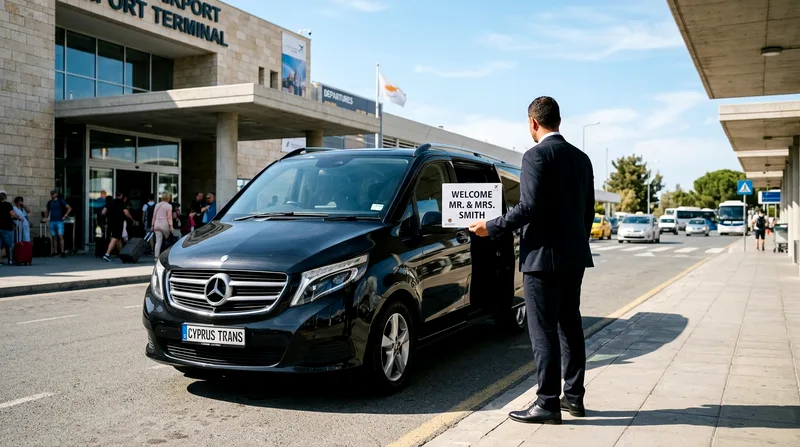
Compare Cyprus airport transfer options from Larnaca and Paphos. Book shared shuttles, taxis, or private rides with prices and booking tips.
9 min read · 15 Oct 2026
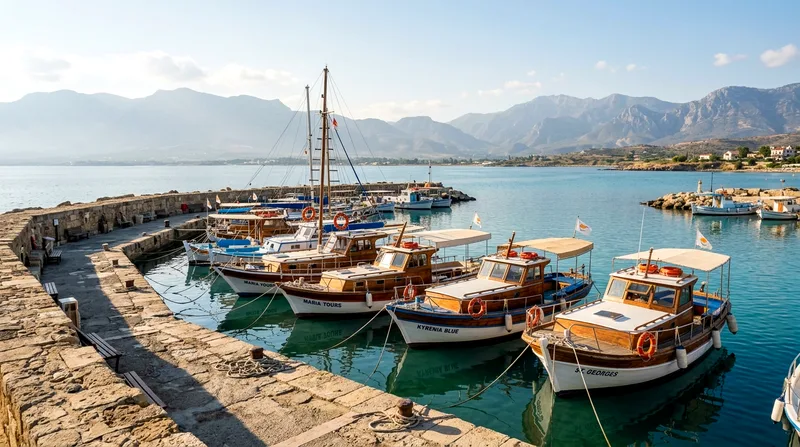
Know what to book before your Cyprus trip — tours, tickets and transfers that sell out or cost more if left until arrival. A practical checklist.
8 min read · 15 Oct 2026
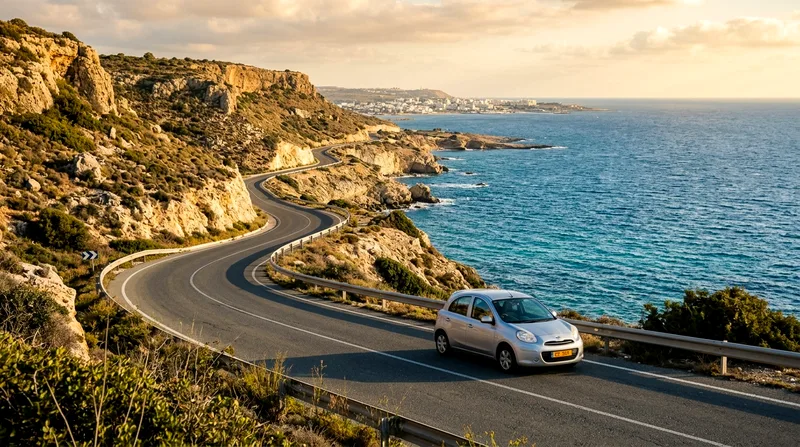
Cyprus car rental vs tours compared: real costs, flexibility, and effort. Find out which transport option suits your trip before you book.
9 min read · 15 Oct 2026
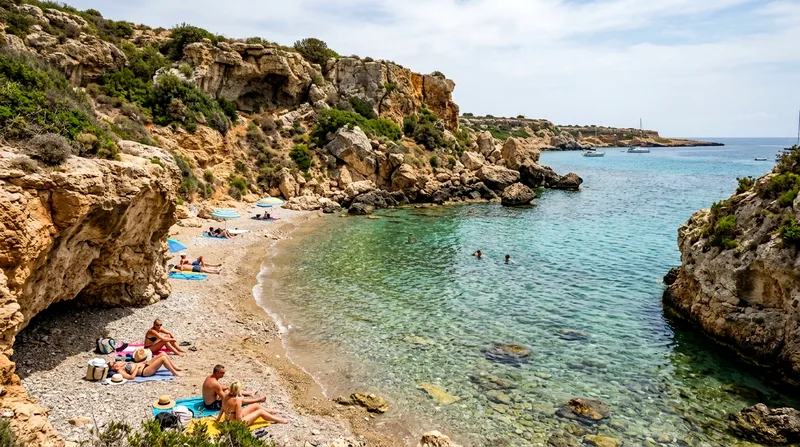
Discover the best time to visit Cyprus for tours and outdoor activities. Month-by-month guide to weather, crowds, prices, and seasonal tour availability.
9 min read · 15 Oct 2026
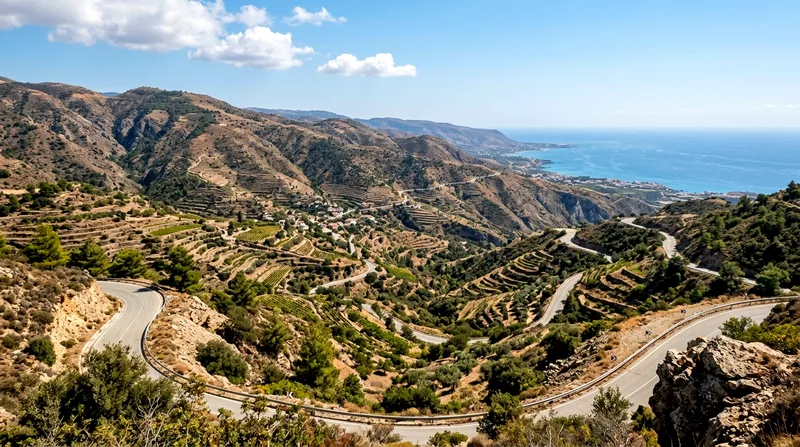
Real Cyprus tour prices by category, with legitimate ways to save. Compare costs, spot genuine value, and budget your trip without overspending.
10 min read · 15 Oct 2026