Discover the best time to visit Cyprus for tours and outdoor activities. Month-by-month guide to weather, crowds, prices, and seasonal tour availability.
Best Time to Visit Cyprus: An Overview
Cyprus offers year-round tourism, which is both the island's biggest selling point and the reason so many visitors get the timing wrong. The best time to visit Cyprus depends on what you're actually booking — a Troodos hiking tour behaves nothing like a Larnaca boat charter in terms of ideal weather, and a Nicosia city walk in August is a different experience entirely from the same walk in April.
Here's the blunt version: if beach time and nightlife matter most, aim for June or September rather than the July–August peak. If you want hiking, wine-village tours, or birdwatching in the Akamas Peninsula, March through May and October beat summer outright — the heat simply shuts down daytime activity for hours at a stretch. Divers and anglers get their calmest water from May to October, excluding the windier shoulder weeks. Winter, November through March, isn't a write-off either — it's when Troodos sees snow and Paphos runs at a third of its summer hotel rates.
This guide breaks the calendar into peak, shoulder, and off-season, then maps specific tour types and activities onto each window so you can match your trip to what you actually came to do.
Peak Season: May to September
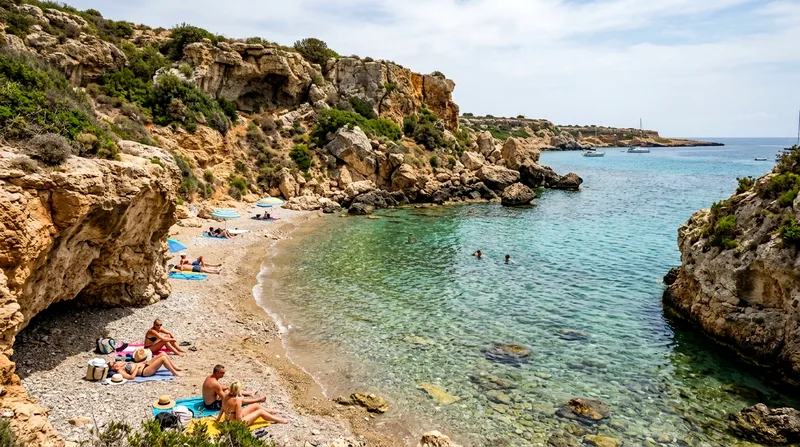
May through September is when Cyprus tourism runs at full capacity — every boat tour, every Akamas jeep safari, every Limassol catamaran trip operates on its complete summer schedule. This is the most reliable window for sea temperatures warm enough for comfortable swimming, typically 22–27°C from June onward, and it's when the Mediterranean Sea around Ayia Napa and Protaras earns its reputation for clear, calm conditions good for snorkeling and stand-up paddleboarding.
I'd split this stretch in two, though, because May–June and July–August are not the same trip. May and early June give you long daylight, sea temperatures climbing into swimmable range, and daytime highs around 27–30°C — warm, not punishing. July and August push past 35°C regularly, sometimes touching 40°C inland near Nicosia, and that heat genuinely limits what you can do outdoors between roughly 12pm and 4pm. Walking tours of Paphos's archaeological sites or Troodos village hikes scheduled at midday in August are a mistake; good operators shift these to early morning or late afternoon, and you should ask about start times before booking.
Late spring and early autumn offer the best balance of warm weather, open tour schedules, and manageable prices across Cyprus's seasons.
Best time to visit Cyprus by season: weather, crowds, and tour availability compared
| Season | Avg Daytime Temp | Sea Temp | Crowd Level | Tour Availability | Relative Price |
|---|---|---|---|---|---|
| Peak (Jun–Aug) | 30–38°C | 24–27°C | High | Full, book ahead | High |
| Shoulder (Apr–May) | 22–28°C | 18–21°C | Low-Moderate | Full | Moderate |
| Shoulder (Sep–Oct) | 24–29°C | 23–25°C | Moderate | Full | Moderate |
| Off-season (Nov) | 18–22°C | 20–22°C | Low | Reduced marine tours | Low |
| Off-season (Dec–Feb) | 15–18°C | 17–18°C | Low | City/mountain tours only | Lowest |
Typical figures based on long-term seasonal patterns; actual conditions and tour schedules vary by year, so confirm with operators before booking.
Summer weather and beach tours
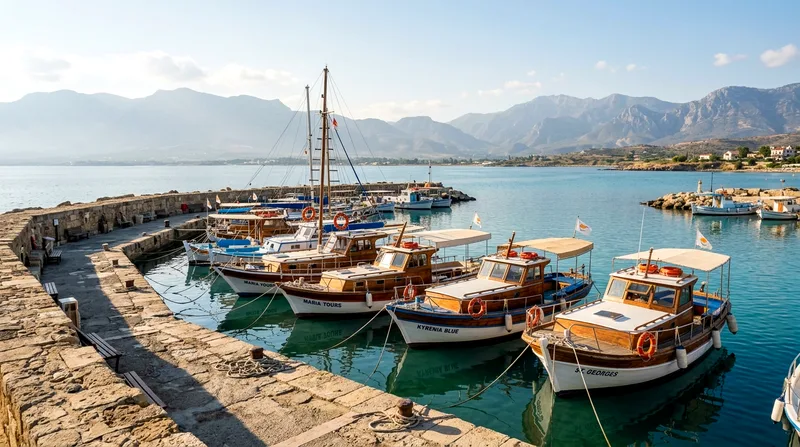
Beach-based tours thrive in peak season precisely because the heat that hampers hiking is an asset in the water. Boat trips out of Limassol and Larnaca run daily departures from May through September, with glass-bottom boat tours, sunset cruises, and snorkeling excursions all at their most frequent. Surf conditions stay modest year-round in Cyprus — it's not a big-wave destination — but kitesurfing picks up with the Meltemi-influenced winds that strengthen through July and August, particularly around the Larnaca and Limassol coastlines. If kitesurfing is your priority, this is genuinely your best window, wind-wise, even if the heat elsewhere is a drawback.
Crowds and pricing impact
Expect July and August hotel and tour prices to run noticeably higher than May or September — often 30–50% above shoulder-season rates in coastal resort areas like Ayia Napa and Protaras. Popular boat tours and day trips can sell out days in advance in August, so book ahead rather than assuming same-day availability like you might find in April. Beaches at Nissi Bay and Fig Tree Bay get genuinely crowded by mid-morning in peak weeks. If you dislike competing for sunbeds, that's a real downside worth weighing against the warmer sea.
Shoulder Season: April and October
April and October are, for my money, the strongest all-around months to visit Cyprus, and they're consistently underrated compared to how travelers plan trips to Crete or Rhodes, where shoulder season gets more attention. Daytime temperatures in April and October sit around 22–25°C — comfortable for walking tours, hiking the Caledonia Falls trail in Troodos, or spending a full day exploring Kourion's Roman ruins near Limassol without retreating indoors at noon.
Mild weather and fewer visitors
Sea temperatures in April hover around 18–19°C — swimmable for most people but noticeably cooler than June, so if warm swimming is non-negotiable, lean toward October instead, when the sea retains summer heat at roughly 23–24°C even as air temperatures cool. Crowds thin out considerably; Paphos's archaeological park and the Tombs of the Kings see a fraction of the August foot traffic, and you can walk popular trails in the Akamas Peninsula without queuing at trailheads.
Tour availability and value
Most tour operators keep close to full schedules in April and October, with only the most niche beach-specific activities (certain banana-boat or jet-ski rental stands) scaling back. Prices typically sit 15–25% below peak summer rates for boat tours and guided excursions. This is also the better window for wine-route tours through the Troodos foothill villages — Omodos, Lefkara — since outdoor tastings and vineyard walks are far more pleasant at 23°C than at 36°C. Compare current boat tours and prices before you book, since October departures can taper off in the back half of the month.
Off-Season: November to March
Cyprus off-season travel runs November through March, and it's a legitimately good option for a specific kind of trip — just not a beach holiday. Coastal daytime temperatures stay mild, often 15–20°C even in January, which is warmer than most of continental Europe and why some travelers use Paphos or Limassol as a winter escape rather than chasing the Canaries or southern Sicily.
Winter conditions and tour options
The Troodos Mountains get genuine snow from roughly late December through February, with Mount Olympus (Cyprus's highest point) supporting a small ski operation — two modest lifts, nothing resembling an Alpine resort, but real enough for a half-day outing. Coastal city tours in Nicosia, Larnaca, and Limassol continue year-round, since museums, old-town walking routes, and most archaeological sites stay open. What drops off almost entirely: boat tours, snorkeling excursions, and kitesurf schools, most of which pause from December through February due to rougher seas and lower demand. If you're planning a winter trip around water activities, you'll be disappointed — build the itinerary around hiking, wine tasting, and city culture instead.
Budget-friendly travel periods
November and January–February are the cheapest months to visit Cyprus outright, with hotel rates in Ayia Napa and Protaras sometimes half of August pricing. Flights from European hubs also drop in price outside school holiday windows. The trade-off is real: some restaurants and tour operators in smaller resort towns close for the season entirely between December and February, particularly in Protaras and parts of Paphos's new town. Always check an operator's current winter schedule rather than assuming it matches the online listing.
Month-by-Month Activity Calendar
Matching the calendar to activities is more useful than thinking in broad seasons alone, since Cyprus's microclimates — coastal Larnaca versus mountainous Troodos — behave differently even in the same month.
Spring activities and conditions
March brings wildflowers across the Akamas and Troodos foothills and daytime temperatures around 17–19°C — good hiking weather, cool sea. April and May ramp up toward comfortable swimming, with wildflower displays peaking in April. This is prime time for guided nature walks and birdwatching tours, since migratory species pass through in spring.
Summer tour operations
June through August run the fullest tour calendars of the year — daily boat departures from Limassol and Larnaca, jeep safaris into Akamas (scheduled early morning to dodge heat), and water sports across Ayia Napa's beaches. Expect early booking requirements and premium pricing throughout.
Autumn experiences
September keeps summer-level sea warmth with slightly lower air temperatures and thinner crowds than August. October shifts toward harvest season in wine villages, with grape-treading festivals in some Troodos communities and excellent light for coastal photography tours.
Winter tour schedules
December to February favors city and cultural tours — Nicosia's old town, Kolossi Castle near Limassol, Paphos mosaics — alongside the brief Troodos ski window. Expect reduced or paused marine tour schedules until operators resume in March or April.
Choosing Your Ideal Visit Window
There's no single correct answer here, which is why "best time to visit Cyprus" always needs a follow-up question: best time for what? A diver chasing warm, calm water wants late June through September. A hiker wants March through May or October. A family balancing swimming with manageable heat for children does best in June or September, skipping the harshest weeks of July–August.
Matching seasons to tour types
Boaters and anglers get the calmest conditions May through early October, with peak-summer Meltemi winds mainly affecting kitesurfers positively and small-craft anglers less so — mornings tend to be calmer than afternoons in July and August. Wine and village tours through Troodos work best outside the heat of midsummer. Archaeological site visits (Kourion, Paphos mosaics, Tombs of the Kings) are tolerable year-round but genuinely more enjoyable in spring or autumn light and temperature.
Budget and crowd considerations
If budget is your main constraint, target November or February — expect the lowest tour and accommodation prices, accepting that marine activities will be limited. If crowds bother you more than cost, April and October thread the needle: decent weather, open tour schedules, and noticeably thinner queues at sites like Kourion compared to Santorini's August crowds or Mallorca's peak-season beach clubs, which Cyprus's shoulder season avoids almost entirely.
Frequently asked questions
What is the best month to visit Cyprus?
For most travelers, May or late September works best — warm enough to swim comfortably, fewer crowds than July–August, and full tour schedules still running. If hiking or wine-village tours matter more than beach time, October is arguably even better, with harvest season in Troodos villages and cooler daytime temperatures around 24–29°C.
Is Cyprus hot in summer for outdoor tours?
Yes — July and August regularly hit 35–38°C, sometimes higher inland near Nicosia. Outdoor walking tours and archaeological site visits scheduled midday become genuinely uncomfortable. Good operators shift start times to early morning or late afternoon; always check the tour's start time before booking a summer slot.
When are Cyprus tours cheapest?
November and January–February bring the lowest prices on accommodation and tours, sometimes close to half of August rates in resort towns like Ayia Napa. The trade-off is that marine-based tours — boat trips, snorkeling, kitesurf lessons — mostly pause for the season, resuming around March or April.
Can you visit Cyprus in winter for tours?
Yes, for culture and mountains. Coastal cities (Nicosia, Larnaca, Limassol, Paphos) keep museums and walking tours open year-round, and Troodos even runs a small ski operation on Mount Olympus from roughly late December through February. Don't expect boat tours or water sports, though — most pause until spring.
What is the shoulder season in Cyprus?
Shoulder season falls in April, May, and October, sometimes stretching into early November. Expect daytime temperatures around 22–29°C, thinner crowds than peak summer, tour prices roughly 15–25% below August rates, and nearly full operator schedules — making it the best overall value window for most visitors.