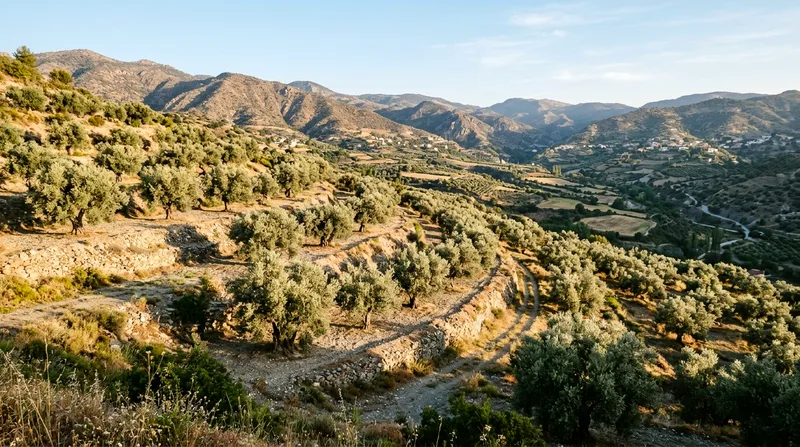
Cyprus Olive Oil Tasting: Farm Tours & Experiences
Discover Cyprus olive oil tastings and farm visits. Compare tour types, what to expect, and how to book agritourism experiences across the island.
9 min read · 15 Oct 2026
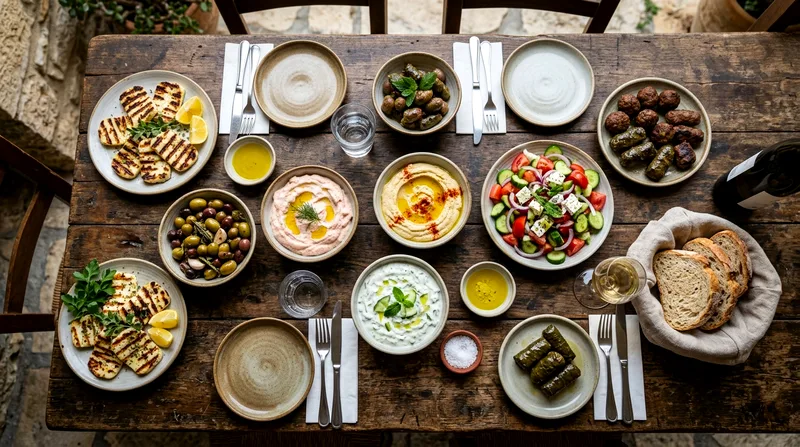
Tours & activities
Compare Cyprus food and wine tours: Commandaria wine tastings, cooking classes, meze crawls, and village experiences. See what to book and when.
Cyprus food and wine tours fall into a handful of distinct categories, and the right choice depends less on budget and more on how you like to spend a day. Some travelers want to sit, sip, and let someone else drive between wineries. Others want to get their hands in dough and actually learn something they'll use at home. A few just want to eat well in a village square and call it an evening. None of these is objectively "the best" Cyprus food experience — they serve different moods and different trip paces.
If you're traveling with a partner and want a relaxed, scenic day, a Troodos Mountains wine route with three or four cellar stops works well and rarely runs more than six hours door to door. Families with children under ten generally struggle with wine-focused itineraries — most wineries don't have much for kids to do while adults taste — so a cooking class or a market-and-meze evening tends to land better. Solo travelers often get more social value from group tours, since tastings and shared meze tables naturally prompt conversation with other guests.
Senior travelers should pay attention to the physical demands of each tour type. Village walking tours in Nicosia's old town or Limassol's market district can involve an hour or two of standing and walking on uneven stone streets, which is worth checking against mobility before booking. Wine tours, by contrast, are mostly seated and involve short walks between tasting rooms — a better fit if standing for long periods is a concern.
If you already know your Xynisteri from your Maratheftiko, look specifically for tours that name the wine region and grape varieties in the itinerary rather than generic "wine tour" listings. Cyprus has indigenous grape varieties you won't find tasted side-by-side anywhere else — Cyprus wine tasting tours that stick only to international varieties (Cabernet, Chardonnay) are missing the point of visiting local wineries at all. Prioritize tours that include at least one Commandaria producer, since this is the wine Cyprus is genuinely known for internationally, with production records tied to the region going back centuries. Expect tastings of four to six wines per stop, typically with bread, olives, or a small cheese plate to cleanse the palate between pours.
Not all "cooking classes" are equal — some are closer to a cooking demonstration where you watch and eat, others are genuinely hands-on from start to finish. If you want to actually learn, check the listing specifically states you'll prepare dishes yourself rather than observe a chef. A solid Cyprus cooking class typically runs three to four hours, covers three to five dishes (commonly halloumi, a dip like tahini or talattouri, souvlaki or a slow-cooked stew, and a dessert such as loukoumades), and ends with everyone eating what they made together at a shared table. Classes held in village homes or small family-run kitchens tend to feel more authentic than hotel-based sessions, though they're usually capped at smaller group sizes as a result.
Breaking Cyprus food and wine tours into clear categories makes booking decisions much faster. The four main types — wine tastings, cooking classes, meze/village food tours, and private versus group formats — differ in duration, physical demands, and what's actually included, and conflating them leads to disappointment (booking a "wine tour" expecting a cooking lesson happens more often than you'd think).
Wine tours suit relaxed sightseeing while cooking classes suit travelers who want a hands-on, take-home skill.
Cyprus food and wine tour categories compared by duration, group size, and best fit
| Tour Type | Typical Duration | Group Size | Skill Level Needed | Best For |
|---|---|---|---|---|
| Wine tasting tour (Troodos/Limassol) | 4-8 hours | Group (8-16) or private | None | Couples, senior travelers, wine enthusiasts |
| Hands-on cooking class | 3-4 hours | Small group (4-10) | None, beginner-friendly | Families, solo travelers, hands-on learners |
| Village meze / food crawl | 3-5 hours | Group (6-14) | None | Social travelers, first-time visitors |
| Private full-day culinary tour | 6-8 hours | 1-6 people | None | Families, mobility-limited travelers, special diets |
| Commandaria region wine tour | 4-6 hours | Group or private | Basic wine interest helpful | Wine connoisseurs |
Durations and group sizes are typical ranges; always confirm exact details and current prices before booking.
Wine tours are built around movement between locations — typically two to four wineries across a half-day or full-day itinerary, often through the Troodos foothills or the Limassol wine villages. You're a passenger for most of it, which suits travelers who want scenery with their tasting. Cooking classes are static: one kitchen, one teacher, three to four hours, and far more personal interaction. If you only have time for one booking and you're after a memorable, photogenic day with wine, pick the wine route. If you want a skill or recipe to take home, the cooking class wins — , I'd rate a good hands-on class above a mediocre wine tour for sheer value, since you leave with something tangible beyond a buzz.
Group tours — usually 8 to 16 people in a minibus — cost less per person and are the default option for most wine and meze tours booked online. They're fine for solo travelers and couples who don't mind a fixed schedule and shared pace. Private tours cost more, sometimes considerably more, but you control timing, can skip stops that don't interest you, and can request dietary adjustments more easily. Families and travelers with mobility needs benefit most from private bookings. One real downside of group tours: if even one winery or restaurant runs behind, the whole day's schedule shifts, and you have no say in it.
Listings for Cyprus food and wine tours vary enormously in what they actually include, and the description is often the only clue you get before paying. Read past the headline and check three things specifically: transport, meal inclusions, and cancellation terms.
"Wine tasting included" can mean three generous pours or one thimble-sized sample — the listing should specify how many wineries and how many tastings per stop. For meze tours, check whether it's a full meze spread (typically 10 to 20 small dishes shared across the table, the traditional Cypriot format) or just a few appetizer-style snacks. Cooking classes should state clearly whether the final meal is included in the price — almost all are, but it's worth confirming since eating what you cook is half the point. Transport to and from your hotel is included on most group tours departing from Paphos, Limassol, and Nicosia, but double-check if you're staying somewhere more remote, since pickup zones often have radius limits.
Smaller group caps generally mean a better experience but higher cost per person — anything above 16 people on a cooking class starts to feel like a demonstration rather than participation. Check the minimum group size too; some tours cancel or reschedule if too few people book, which matters if you're traveling on a fixed schedule. Cancellation policies on most Cyprus tours allow free cancellation up to 24 to 48 hours before departure, but weather-dependent wine tours in winter sometimes have stricter terms. Always compare current prices and cancellation terms on the booking page itself rather than relying on a general description, since policies change by operator and season.
Timing affects both availability and the quality of what you'll actually taste. Cyprus food and wine tours run year-round, but the experience shifts noticeably by season, and some months are genuinely better for specific tour types than others.
Grape harvest in Cyprus typically runs from late August through October, and visiting a winery during this window means you might see pressing in action — a detail that elevates a standard Commandaria wine tour into something closer to a working visit. Summer (June to August) brings peak heat, which makes village walking tours uncomfortable at midday; book these for early morning or early evening instead. Spring (April to May) and autumn (September to November) are the strongest months overall — mild temperatures, fresh local produce, and wineries that aren't swamped with cruise-ship day-trippers. Winter tours run too, and the Troodos Mountains looks genuinely different with snow on higher villages, but some rural tasting rooms reduce hours outside peak season.
Book popular wine and cooking tours at least a week ahead during July and August, when demand from European travelers peaks alongside beach holidays. Shoulder season (April-May, September-October) usually allows booking two to three days out, though private tours with specific dietary accommodations should be arranged further in advance regardless of season. If a small-group cooking class shows limited dates on the calendar, that's usually a capacity issue rather than a sales tactic — these classes are genuinely capped at single-digit numbers more often than wine tours are.
Geography matters more in Cyprus food tourism than many visitors expect. Where you base yourself — Paphos, Limassol, or Nicosia — shapes which tour categories are realistically on offer without a long drive.
The Commandaria zone sits in the foothills of the Troodos Mountains, spanning around a dozen villages southwest of the range, and produces what's often cited as one of the oldest named wines still in commercial production. Tours here typically combine two or three small family wineries with a stop in a traditional stone village, and most depart from Limassol given the shorter drive — around 40 minutes to an hour compared to closer to two hours from Paphos. If sweet dessert wine isn't your thing, ask before booking whether the tour also pours dry Xynisteri or red Maratheftiko, since Commandaria-only tastings can feel one-note across multiple glasses.
Meze remains the most accessible entry point into Cypriot food culture — a long sequence of shared plates covering grilled halloumi, dips, olives, village sausage, and slow-cooked meats, traditionally stretched across two hours or more. Village-based meze tours, common around the Troodos foothill villages and parts of inland Paphos district, usually pair the meal with a short walk through the village and sometimes a stop at a local producer — honey, zivania, or bread. Nicosia's old town offers a more urban version: a food crawl through the walled city hitting several small tavernas rather than one long sit-down meal. I'd lean toward the village format for a slower, more memorable afternoon, and the Nicosia crawl if you want variety and don't mind a faster pace between stops.
Most include round-trip hotel transport from major towns, a guide, and either several wine tastings (typically four to six pours per stop across two to four wineries) or a meze-style meal with multiple shared dishes. Cooking classes almost always include ingredients, instruction, and the finished meal. Always check the specific listing, since inclusions vary by operator and some charge extra for additional tastings.
Yes — most Cyprus cooking classes are designed for people with no prior experience, teaching simple techniques like halloumi grilling, basic dough work, and dip preparation. Instructions are usually given in English alongside the local language, and recipes rarely require specialized skills. If you want a more technical class, look for listings that mention advanced or multi-course formats specifically.
Spring (April-May) and autumn (September-October) offer the best combination of mild weather and fewer crowds. For wine tours specifically, late August through October coincides with grape harvest, which adds visual interest to winery visits. Avoid booking outdoor walking-heavy meze tours for midday in July or August due to heat.
Yes, private versions of most wine, cooking, and meze tours are available, usually at a higher per-person cost but with flexible timing and easier dietary accommodation. They're worth the extra cost for families, travelers with mobility concerns, or anyone wanting a custom itinerary rather than a fixed group schedule.
Commandaria is a sweet dessert wine made in a defined zone of villages in the Troodos foothills, using sun-dried Xynisteri and Mavro grapes. It's widely cited as one of the oldest wines still produced under a continuous name, with historical references dating back many centuries. Tours to the region typically combine small-winery tastings with visits to the producing villages themselves.
Discover Cyprus olive oil tastings and farm visits. Compare tour types, what to expect, and how to book agritourism experiences across the island.
9 min read · 15 Oct 2026
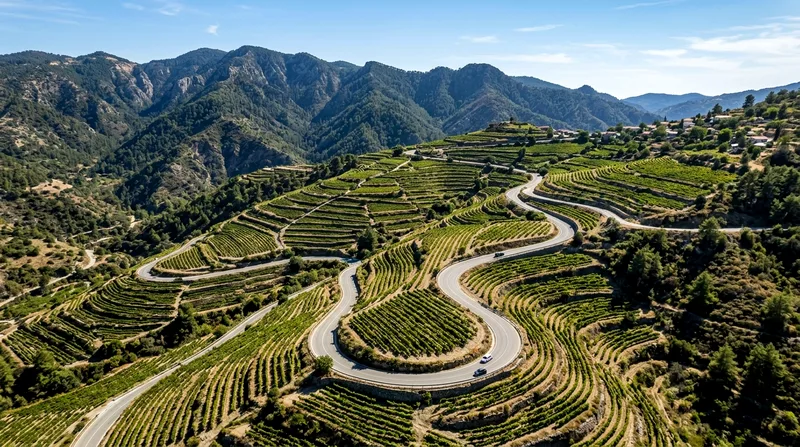
Cyprus wine tour vs self-drive compared: cost, tasting limits, drink-driving laws, and crowds — so you can pick the right way to visit Krasochoria.
9 min read · 15 Oct 2026
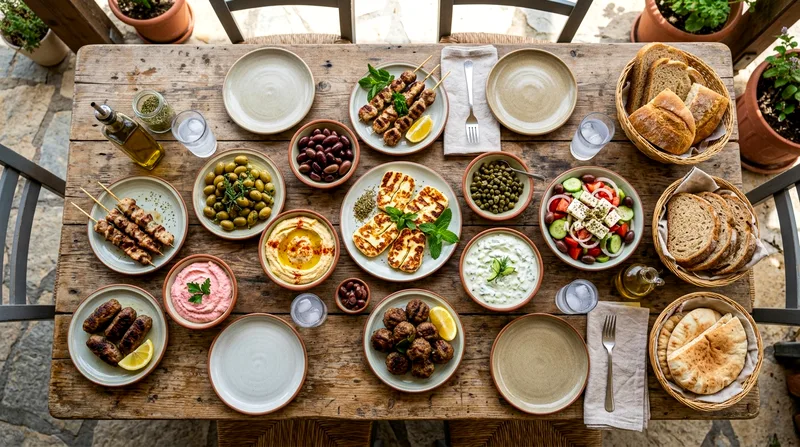
Book guided Cyprus food tours featuring meze tastings and street food across Nicosia, Limassol, and Paphos. Compare group sizes, dietary options, and inclusions.
9 min read · 15 Oct 2026
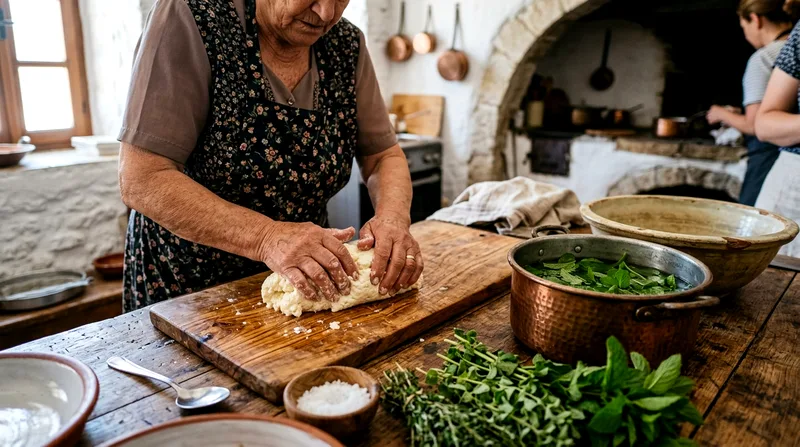
Compare village-home cooking sessions with professional-kitchen classes in Cyprus. Learn halloumi-making, meze prep, and book your hands-on experience.
9 min read · 15 Oct 2026
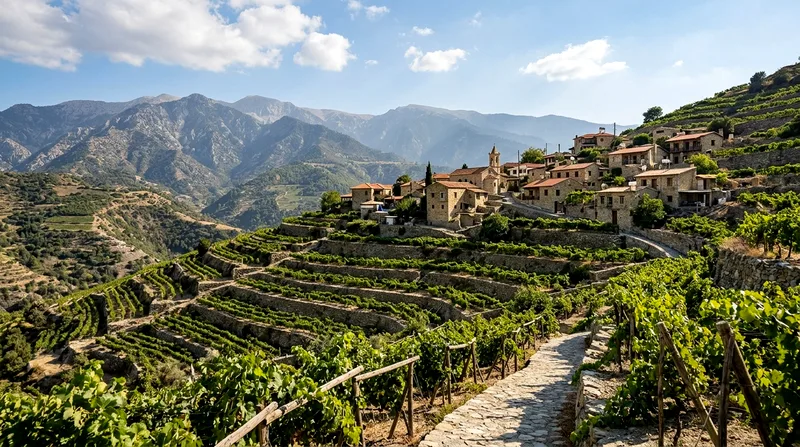
Compare Cyprus wine tasting tours across Commandaria, Paphos and Troodos. See group sizes, inclusions, costs and booking tips before you go.
8 min read · 15 Oct 2026