Compare village-home cooking sessions with professional-kitchen classes in Cyprus. Learn halloumi-making, meze prep, and book your hands-on experience.
Who Each Cooking Class Type Suits
Not every Cyprus cooking class suits every traveler, and the marketing photos rarely tell you which type you're actually looking at. Broadly, classes split into two camps: small, informal sessions run out of a family home or converted village kitchen, and larger, professionally run classes in a commercial teaching kitchen, usually in or near a city. The difference shows up in group size, pacing, and how much you're expected to do versus watch.
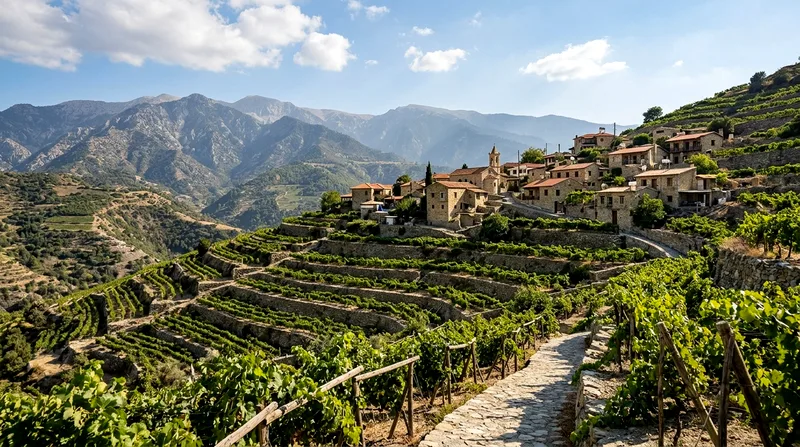
A village-home class in a mountain settlement near the Troodos range might take four to eight guests for three hours, with the host narrating family history between stirring pots. A professional kitchen in Limassol, by contrast, often runs more like a structured workshop — stations, aprons, a chef explaining knife technique before anyone touches a halloumi curd. Neither is objectively better. It depends on whether you want a cultural afternoon or a cooking lesson you can actually replicate at home.
Solo Travelers and Small Groups
Solo travelers generally do better in village-home settings, where a shared table and a host who cooks for a living (rather than teaches for one) makes it easy to fall into conversation with other guests. These sessions rarely take more than eight or ten people, so you're not lost in a crowd. Small groups of two to four — couples traveling together, or friends — get the most value from classes that include a market visit beforehand, since prep work and shopping naturally create conversation. Avoid classes advertised as "cooking demonstrations" if you want to actually use your hands; some are closer to a meal with narration than genuine instruction, and the listing doesn't always make that obvious.
Families and Corporate Teams
Families with children old enough to handle a rolling pin — generally seven or eight and up — tend to do better in professional kitchen settings, where safety equipment, separate stations, and a chef used to managing distracted hands are standard. Village-home hosts are often lovely with kids but not set up for a family of five crowding one stovetop. Corporate or incentive groups should look specifically for venues that advertise team-building formats, often run in Nicosia or Limassol hotels with private dining rooms attached; these tend to charge a premium but include logistics like transport and dietary sign-up forms that a home host simply can't manage at scale.
Village-Home vs Professional Kitchen Classes
This is the real fork in the road when booking a Cyprus cooking class, and it's worth more attention than choosing between Paphos and Larnaca. Village-home experiences — concentrated in Troodos foothill villages and smaller communities outside Limassol — trade on atmosphere. You're cooking in someone's actual kitchen or a converted stone outbuilding, often with ingredients grown on the same property. Professional culinary schools, found mainly in Limassol and Nicosia, trade on consistency: trained chefs, proper ventilation, multiple workstations, and a curriculum that doesn't depend on one person's mood that day.
I'd lean toward village-home for a first Cyprus cooking class and professional for a second visit or if you're genuinely trying to learn technique you can repeat elsewhere. The home setting wins on charm but loses on reliability — a host running a single daily session can cancel for a family reason and leave you scrambling to rebook. Professional kitchens rarely cancel outright; they're businesses with staff rosters, not a single grandmother's schedule.
Village-home classes near Troodos and Paphos favor atmosphere and small groups, while professional kitchens in Limassol and Nicosia favor structure and consistency.
Cyprus cooking class types compared: setting, duration, and who they suit
| Class Type | Typical Duration | Group Size | Best For | Main Drawback |
|---|---|---|---|---|
| Village-home (Troodos/Paphos) | 3-4 hours | 4-10 guests | Couples, solo travelers, cultural immersion | Can cancel at short notice |
| Professional kitchen (Limassol/Nicosia) | 2-3 hours | 10-20 guests | Families, corporate groups, technique-focused learners | Less individual attention |
| Market-plus-cooking combo | 4-5 hours | 6-12 guests | Food-focused couples, photographers | Early morning start required |
| Hotel-run demonstration class | 1.5-2 hours | 15-30 guests | Cruise passengers, short-stay visitors | Minimal hands-on cooking |
Typical figures based on common formats; exact duration, capacity, and pricing vary by venue and season, so check current details before booking.
Authentic Home-Cooking Atmosphere
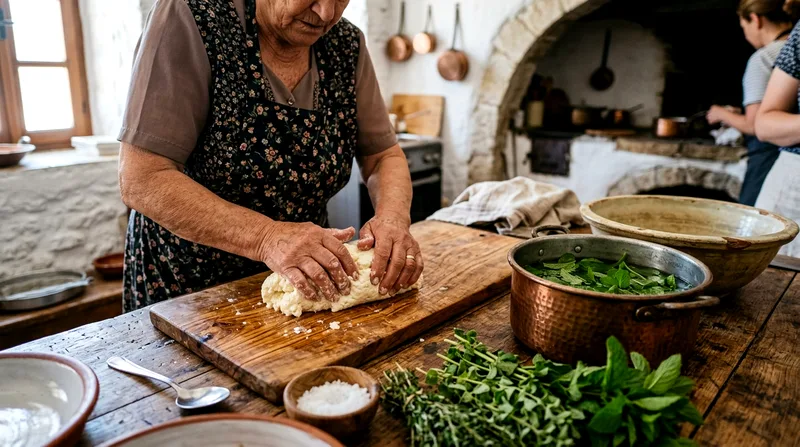
The appeal of a village-home class is specific: you're often eating at a family table, sometimes outdoors under a vine trellis, with wine poured generously and no rush to turn tables for the next booking. These sessions frequently run three to four hours including the meal itself, longer than most professional classes. The trade-off is informality — recipes might not be measured precisely, instructions are sometimes only in Greek with translation help, and the kitchen itself may be modest. If you want precision and repeatable technique, this isn't it. If you want the closest thing to being invited to a Cypriot family's table, it usually is.
Structured Professional Instruction
Professional kitchen classes, more common in Limassol and Nicosia, typically run two to three hours and follow a set curriculum — knife skills, a halloumi segment, a meze component, sometimes a dessert. Instruction is usually in English with clear step-by-step demonstration before you repeat it yourself. Group sizes run larger, sometimes twelve to twenty participants split across stations, which means less individual attention but also lower per-person cost in many cases. The atmosphere is closer to a cooking school than a dinner party. Expect name tags, aprons, and a printed recipe card to take home — useful if you actually want to cook halloumi again once you're back from Cyprus.
What to Look for When Booking
Listings for Cyprus cooking classes vary wildly in how much detail they give upfront, and that gap is where disappointment usually starts. Before booking anything — whether it's a halloumi making class in a Troodos village or a meze cooking class in Larnaca — read past the headline description to the inclusions list and the policies section, which often gets buried below the photos.
Inclusions and Meal Components
Check specifically whether the class includes a market or farm visit, how many dishes you actually prepare versus watch being prepared, and whether wine or soft drinks are part of the price. A genuine hands-on session should have you making halloumi from curd stage, not just watching it fried and served. Good meze cooking class listings specify the number of dishes — look for at least five or six small plates, since authentic meze is built on variety, not one or two showcase dishes. If a listing is vague about what you'll cook, that's often because the format leans more toward demonstration and dining than real instruction.
Group Size and Cancellation Policy
Group size affects both price and experience quality directly. Village-home classes capped around six to eight guests cost more per person but mean actual hands-on time with the host; larger professional classes of fifteen-plus are cheaper but more station-based. Always check the cancellation policy before paying anything — many smaller village operators require 48 to 72 hours' notice for a full refund and won't budge for weather or minor illness, while professional schools tied to hotels often have more flexible rebooking terms. Confirm this in writing, not just by email assurance, and always compare current prices and reviews on the booking platform rather than relying on an old screenshot or a friend's recommendation from a previous trip.
When to Book Your Cooking Class
Seasonal demand in Cyprus swings hard, and cooking classes are not exempt. Between June and September, village-home sessions near Paphos and the Troodos foothills fill up fast, partly because tour groups and cruise passengers out of Limassol add demand on top of independent travelers. Booking two to three weeks ahead is reasonable in shoulder months like April, May, October, and November; in peak summer, aim for four to six weeks out, especially for smaller village classes capped under ten guests.
Winter brings its own quirks. Some village hosts close entirely between December and February, particularly in higher-altitude Troodos communities where access roads can be affected by weather. Professional kitchens in Nicosia and Limassol tend to run year-round since they're not weather-dependent, making them a safer bet for a winter visit. If your trip dates are fixed and non-negotiable — a family holiday booked around school term dates, say — professional kitchen classes are the lower-risk choice precisely because they don't rely on one family's seasonal rhythm. Always check the specific listing's calendar before building your itinerary around it; availability windows published by the Cyprus Tourism Organisation and individual venues can shift from one season to the next.
Halloumi-Making and Meze Specialties
If there's one dish worth choosing a Cyprus cooking class around, it's halloumi. The process is simple to describe and genuinely satisfying to do — curdling milk, cutting curds, heating and stretching them into that distinctive squeak-when-fried texture — but doing it yourself under guidance reveals steps you'd never guess from eating the finished cheese at a taverna.
Cheese-Making Techniques
A proper halloumi making class in Cyprus walks you through heating milk (traditionally sheep's or goat's milk, sometimes blended with cow's milk commercially, though village classes often stick to the traditional mix), adding rennet, cutting the curd, and then the distinctive step of cooking the curd in its own whey before folding in fresh mint. That folding step — mint pressed into the warm cheese before it's shaped — is what separates homemade halloumi from the supermarket block, and it's rarely shown in generic demonstrations. Expect this segment to take 45 minutes to an hour within a longer class, since the curd needs time to firm up before shaping.
Traditional Meze Preparation
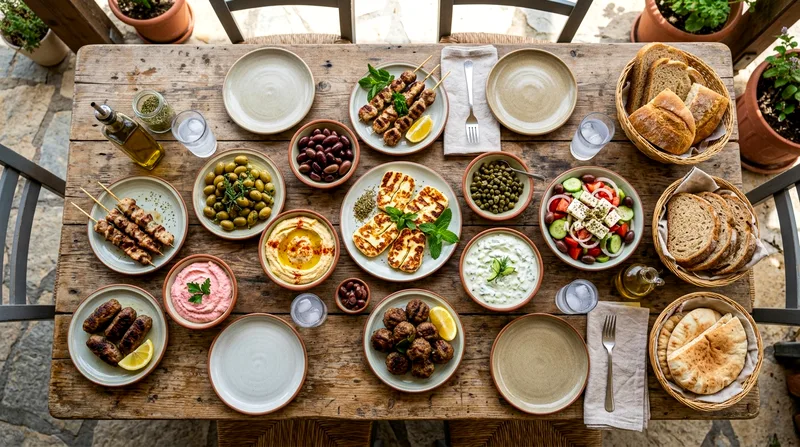
Meze prep classes typically cover a spread rather than a single recipe: tzatziki or talattouri, koupepia (stuffed vine leaves), loukaniko sausage if the venue handles meat, and dips like houmous or tahini-based skordalia. A traditional Cyprus cooking experience built around meze usually has you working in parallel on three or four dishes at once, mimicking how a real Cypriot table is laid — not courses, but everything arriving together. This is the format where dietary restrictions matter most; vegetarian and halal accommodation is usually manageable if you flag it at booking, but classes centered on pork-based specialties need more lead time to adjust, so ask directly rather than assuming substitutions are automatic.
Frequently asked questions
What is included in a typical Cyprus cooking class?
Most classes include ingredients, instruction, aprons, and the meal you cook, eaten together at the end. Many village-home sessions add wine and a market or garden visit beforehand. Professional kitchen classes more often include a printed recipe card and sometimes a certificate, but fewer include alcohol in the base price — check the listing rather than assuming.
How far in advance should I book a cooking class?
Book two to three weeks ahead in shoulder season (April, May, October, November) and four to six weeks ahead for June through September, especially for small village classes capped under ten people. Winter availability is patchy for village hosts near Troodos, so confirm dates directly before finalizing travel plans around it.
Can I take a cooking class if I have dietary restrictions?
Vegetarian and gluten-sensitive adjustments are usually manageable if flagged at booking, since meze includes several naturally vegetable-based dishes like houmous and talattouri. Halal and dairy-free requests need more notice, particularly for halloumi-making segments built around dairy. Classes centered on pork sausage or specific meat-based meze need the most lead time for substitutions.
What is the difference between a village and professional cooking class?
Village-home classes happen in a family kitchen or converted outbuilding, usually near the Troodos Mountains or rural Paphos, with small groups and a longer shared meal. Professional kitchen classes, concentrated in Limassol and Nicosia, use commercial teaching kitchens with multiple stations, larger groups, and a set curriculum — better for repeatable technique, less personal in atmosphere.
Are halloumi-making classes suitable for beginners?
Yes — the process doesn't require prior cooking skill, just patience during the curdling and shaping stages. Beginners do fine in either setting, though a smaller village class gives more hands-on time with the curd itself, while a professional class gives clearer step-by-step demonstration if you've never worked with rennet or fresh curd before.