Discover Cyprus olive oil tastings and farm visits. Compare tour types, what to expect, and how to book agritourism experiences across the island.
Who Should Book an Olive Oil Farm Tour
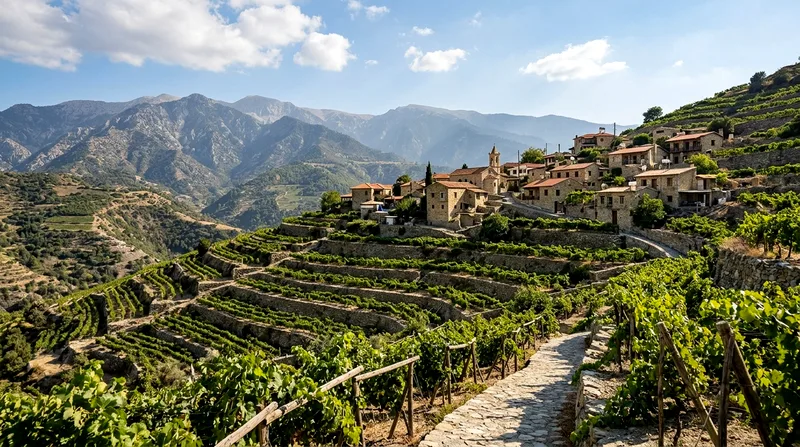
Cyprus olive oil tasting isn't a beach-day substitute — it's a deliberate half-day or full-day detour inland, usually toward the Troodos Mountains, the Paphos region, or the hills above Limassol, where most of the island's working groves sit. If your trip is built entirely around Ayia Napa's beach clubs or Protaras' water parks, this probably isn't for you; the farms are 40 minutes to over an hour from the main resort strips, and the appeal is slow, hands-on, and conversational rather than fast and photogenic.
The people who get the most out of it are travelers already curious about how things are made — not just what they taste like. That includes couples looking for a change of pace mid-trip, senior travelers who prefer a seated, guided format over hiking or watersports, and families with children old enough to handle a bit of walking on uneven terraced ground and sit through a 20-30 minute explanation before the food appears. Solo travelers do well on these tours too, since most run as small shared groups and the format naturally prompts conversation with other guests and the host family.
Food and Wine Enthusiasts
If you already seek out wine tastings, cheese tours, or distillery visits at home, an olive oil tasting in Cyprus will feel familiar in structure but different in content — you're learning to judge pepperiness, bitterness, and fruitiness rather than tannin and acidity. Cyprus grows mostly local and Mediterranean varieties, including Koroneiki (also common in Crete) alongside indigenous Cypriot cultivars that produce a notably strong, slightly peppery oil. Pair this with a wine region visit near Limassol or a Commandaria tasting in the same trip and you've got a genuinely full agritourism day, not a one-off stop.
Cultural and Agricultural Learners
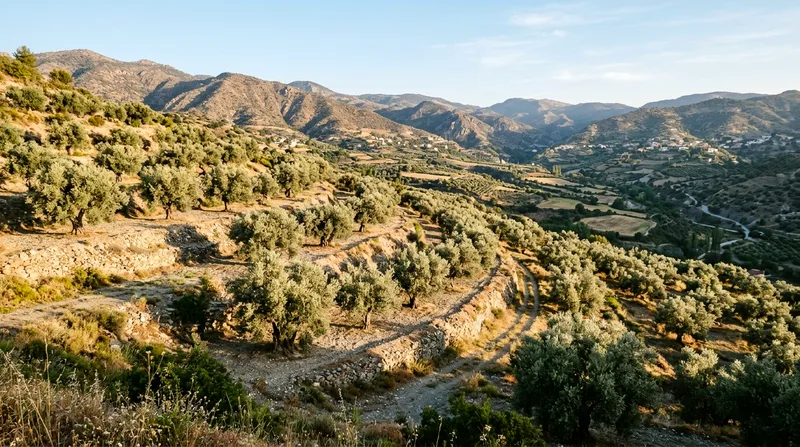
Some travelers want context more than flavor notes — how a stone press actually worked before electricity, why terracing on Troodos slopes matters for drainage, how local cooperatives still process smaller growers' harvests collectively. These tours lean more on explanation than tasting flights, often run by a farming family or a village cooperative rather than a polished hospitality operation, and they tend to run a little longer and a little less scripted. Expect dirt under your shoes and genuine, sometimes meandering stories — not a stage-managed presentation.
Types of Olive Oil Tours Compared
Not all "olive oil tours" in Cyprus are the same product wearing different names. They split into four broad categories, and picking the wrong one for your interests is the most common booking mistake — people expect a leisurely lunch and get a brisk production walk, or expect deep technical detail and get a tasting plate with minimal explanation.
Press tours run shortest and cheapest, while farm-to-table lunch packages take half a day and cost the most per person.
Cyprus olive oil tasting tour types compared by duration, group size and inclusions
| Tour Type | Typical Duration | Group Size | What's Included | Best For |
|---|---|---|---|---|
| Press tour / production walk | 60-90 min | Small to medium group | Grove walk, press demonstration, brief tasting | First-time learners wanting the "how" |
| Tasting-focused experience | 45-75 min | Small group | Guided flight of 3-6 oils, bread or palate cleanser | Time-pressed visitors, add-on to other sightseeing |
| Farm-to-table lunch package | 3-4 hours | Small to medium group | Grove walk, light press demo, full seated meal | Couples and families wanting a full half-day |
| Private tour (any format above) | Flexible, set by guest | 1-6 people | Customisable pace and stops | Families with children, mobility concerns, detailed questions |
Typical figures based on common listing formats; exact duration, inclusions and cancellation terms vary by operator, so confirm details when booking.
Press Tours and Production Walks
These focus on the mechanics: grove walks explaining pruning and harvest timing, then a walk through a traditional stone press or a modern cold-press facility, with a short tasting at the end rather than a full meal. They typically run 60-90 minutes and suit visitors who want to understand the "how" before the "how it tastes." The trade-off is that food is minimal — maybe bread and oil for dipping — so eat beforehand or pair it with a separate lunch stop.
Tasting-Focused Experiences
Here the production explanation is brief and the tasting flight is the main event — typically three to six oils of different ages, varieties, or grades, served with palate-cleansing bread or apple slices, guided by someone talking you through bitterness, pungency, and the back-of-throat cough that indicates high polyphenol content. These run around 45-75 minutes and work well as an add-on to a day already packed with other sightseeing, since they're shorter and less filling than a full farm lunch.
Farm-to-Table Lunch Packages
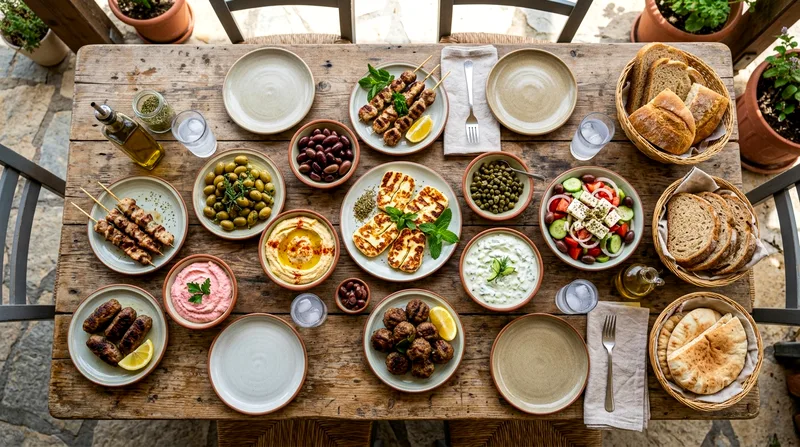
The most popular format for couples and families: a grove walk or short press demonstration followed by a seated meze-style lunch using the farm's own oil, local bread, halloumi, and seasonal vegetables. These run three to four hours door-to-door and cost more than a tasting-only session, but you leave full rather than peckish. The downside is pacing — lunch service for a group can be slow, and if you're short on time elsewhere in your itinerary, this is the format to skip in favor of a tighter tasting session.
Group versus Private Tours
Shared group tours, usually six to fifteen people, cost less per person and run on a fixed schedule, which suits solo travelers and budget-conscious couples. Private tours cost more but let families with young children set their own pace, skip parts that bore the kids, and ask more detailed questions without feeling like they're holding up a group. If mobility is a concern, a private tour also makes it easier to request a shorter walking route around the grove.
What to Look for When Booking
Booking platforms list dozens of "olive farm experiences" across Cyprus, and listing quality varies a lot — some are run directly by a family grove, others are resold by a general tour agency that bundles the farm visit with a winery or monastery stop. Read the inclusions line by line rather than trusting the headline description, since "tasting experience" can mean a serious guided flight or three small cups poured quickly before you're ushered to the gift shop.
Tour Inclusions and Duration
Check specifically whether transport from your hotel is included, whether lunch is a full meal or a light snack, and whether the tasting includes more than one oil variety — a single-oil tasting tells you much less than a flight comparing early-harvest versus late-harvest, or Koroneiki versus a local Cypriot varietal. Duration matters too: anything under 60 minutes is likely tasting-only with little production detail, while anything over three hours usually includes a full lunch. Confirm whether the listed price includes bottled oil to take home, since some tours charge separately for retail purchases.
Group Size and Cancellation Policy
Ask or check the listing for maximum group size — a cap of eight to ten guests generally means you'll actually get to ask questions, while anything over twenty becomes a walking lecture with minimal interaction. Cancellation policies on agritourism bookings tend to be stricter than hotel bookings since farms prepare food and press demonstrations in advance; a free-cancellation window of 24-48 hours before the start time is standard on most booking platforms, but some smaller cooperative-run tours only offer refunds up to 72 hours out. Always check current prices and cancellation terms before you book, since these details change by operator and season.
Best Time to Visit Olive Farms
Timing changes the experience more than almost any other booking decision. Cyprus's olive harvest and the island's dry, hot summers create two very different versions of the same tour.
Harvest Season Advantages
Harvest typically runs from mid-November through December, sometimes stretching into January depending on the variety and the year's weather. Visiting then means you might see nets laid under trees, hand-harvesting or mechanical shaking in progress, and presses running at full capacity — the smell alone is worth the trip, a grassy, slightly bitter scent that's completely different from bottled oil on a supermarket shelf. Freshly pressed oil tasted within days of production has a sharper, more peppery finish than oil that's been sitting for months, so a harvest-season tasting is genuinely a different product, not just a nicer backdrop.
Off-Season Considerations
Outside harvest, tours still run — the groves are pleasant to walk through nearly year-round, and the Troodos foothills stay noticeably cooler than the coast in summer, which actually makes a June or July farm visit more comfortable than a Paphos beach day at midday. The trade-off is that you're tasting stored oil rather than watching production, and some smaller family operations reduce their tour schedule outside the November-December window since they're focused on the harvest itself. If seeing the press in action matters to you more than convenience, book around late autumn and confirm directly that the farm is actively processing that week.
Preparing for Your Tasting Experience
Wear closed shoes with decent grip — grove paths are often dry, loose stone or packed earth on a slope, and stone press floors can be uneven and occasionally slick with residue. Flip-flops are a genuinely bad idea here, and so is arriving already full; a proper tasting flight involves several small pours and you want your palate reasonably clean, so skip the big breakfast and maybe have coffee only. Bring cash in small denominations if you plan to buy bottles directly from the farm, since smaller family operations and cooperatives don't always have card machines, and a 500ml bottle of good Cypriot extra virgin oil purchased at the source is often cheaper than the same label in a Paphos or Limassol gift shop.
Compare this to similar agritourism stops on Crete or in Sicily — both islands run olive tours on broadly similar lines, tasting flights, press visits, farm lunches — but Cyprus tours tend to be smaller-scale and more family-run, with fewer large commercial estates than you'd find around Crete's Kolymvari region. That's a genuine advantage if you want a personal, slightly improvised experience; it's a disadvantage if you want slick, highly polished hospitality with multilingual staff and a gift shop the size of a small supermarket. The Cyprus Tourism Organisation lists several certified agritourism routes through wine and olive-producing villages, which is a reasonable starting point if you want to self-drive between farms rather than book a guided tour outright.
Frequently asked questions
What is included in a typical olive oil farm tour?
Most include a short walk through the grove with explanation of harvest and pruning methods, a look at the press (traditional stone or modern cold-press), and a tasting of at least two or three oil varieties. Bread is usually provided for dipping. Full lunch, transport, and bottled oil to take home are often separate add-ons, so check the listing's inclusions carefully rather than assuming they're bundled.
When is olive harvest season in Cyprus?
Harvest typically runs from mid-November through December, occasionally into January depending on variety and weather. This is the best window if you want to see active pressing rather than just tasting stored oil, though it also means cooler, sometimes wet weather in the Troodos foothills, so pack a layer.
Can I book a private olive oil tasting tour?
Yes — most farms and agencies offer private options alongside shared group tours, usually at a higher per-person cost but with flexible timing and pacing. This suits families with young children or travelers with mobility limitations who want a shorter walking route or a slower-paced explanation without holding up a larger group.
What should I wear to an olive farm visit?
Closed, grippy shoes are essential — grove paths are often loose stone or packed dirt on a slope, and press floors can be uneven. Bring a hat and sunscreen for spring through autumn visits, and a light jacket for harvest-season trips in November or December, when the Troodos foothills turn noticeably cooler than the coast.
Are olive oil tastings suitable for beginners?
Yes, and arguably they're more useful for beginners than connoisseurs — a good guide will explain basic tasting vocabulary like bitterness, pungency, and fruitiness before pouring anything, using simple comparisons rather than technical jargon. No prior knowledge is expected or required.