A practical Cyprus regions guide comparing Paphos, Limassol, Ayia Napa, Troodos, and Larnaca to help you pick the right base for your trip.
Cyprus Regions Guide: How the Island Breaks Down
Cyprus is small enough to drive across in under three hours, yet its regions feel like different trips entirely. A Cyprus regions guide is less about geography trivia and more about matching your plans to the right 40-kilometre stretch of coast or hillside, because driving the island end-to-end daily gets old fast.
The island splits into five practical bases: Paphos in the southwest, Limassol on the south coast, Ayia Napa in the far east, the Troodos Mountains inland, and Larnaca near the airport corridor. Each has a different climate pattern, a different crowd, and a different set of things within easy reach. Coastal regions give you beaches, diving, and boat charters. The Troodos give you cooler air, hiking trails, and stone villages that feel nothing like the resorts 45 minutes down the hill. The Cyprus Tourism Organisation splits the island into similar zones for exactly this reason — the activity differences are real, not just marketing.
Picking wrong doesn't ruin a trip, but it adds hours of driving you didn't plan for. This guide breaks down what each region actually delivers, who it suits, and how far it sits from everything else.
Each Cyprus region specializes in a different kind of trip, so match the table below to your main activity before booking accommodation.
Cyprus regions guide: comparing Paphos, Limassol, Ayia Napa, Troodos, and Larnaca
| Region | Best For | Nightlife | Driving to Airport | Typical Summer Feel |
|---|---|---|---|---|
| Paphos | Culture, ruins, couples | Quiet to moderate | 15 min (Paphos Airport) | Relaxed, warm |
| Limassol | Marina, day trips, families | Moderate | 45 min (Larnaca Airport) | Busy, warm |
| Ayia Napa | Nightlife, water sports, diving | Heavy | 55-60 min (Larnaca Airport) | Hot, crowded beaches |
| Troodos Mountains | Hiking, villages, cooler air | Minimal | 1.5-2 hr (Larnaca Airport) | Cool, forested |
| Larnaca | Budget stays, logistics, history | Light to moderate | 15-20 min (Larnaca Airport) | Warm, less touristy |
Drive times are approximate and vary with traffic and exact accommodation location; always check current routes before booking transfers.
Paphos: Culture and Coastal Charm
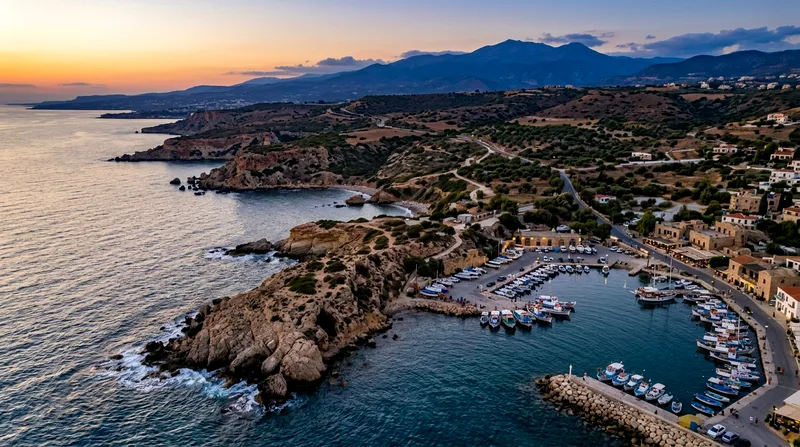
Paphos is the region for travelers who want ruins with their beach time. The UNESCO-listed mosaics at the Paphos Archaeological Park, the Tombs of the Kings cut into rock near the harbour, and the laid-back old town give it a slower, more historic feel than Limassol or Ayia Napa. It's also the gateway to the Akamas Peninsula, one of the last largely undeveloped corners of the Mediterranean coastline in Cyprus, with dirt trails, sea caves, and the Blue Lagoon reachable by jeep safari or boat trip.
I'd rate Paphos as the strongest all-rounder for couples and senior travelers who want culture without constant nightlife noise. It's quieter than Ayia Napa by a wide margin, and the harbor promenade makes for an easy evening walk that doesn't require a car. The trade-off: nightlife is thin, and some of the best beaches (Coral Bay aside) sit a 20-30 minute drive outside town, so you'll want a rental car rather than relying on taxis for the full week.
What to do in Paphos
Beyond the archaeological park, book a half-day boat tour from Paphos harbour to the sea caves near Coral Bay, or a full-day Akamas jeep safari that usually includes a stop at the Baths of Aphrodite. Diving operators run regular trips to the Zenobia-adjacent reefs near Larnaca too, though for wreck diving specifically Larnaca remains the stronger base. Compare current boat tours and prices before you book, since seasonal operators change their schedules between summer and winter.
Travel times to nearby attractions
From Paphos, the Akamas Peninsula trailheads are about 30-40 minutes by car. Limassol is roughly 1 hour away via the A6 motorway, and Nicosia is around 1 hour 45 minutes. Paphos International Airport sits just 15 minutes from the town center, which makes it genuinely convenient if you're flying in and don't want a long transfer on arrival.
Limassol: Beach Life and Adventure Hub
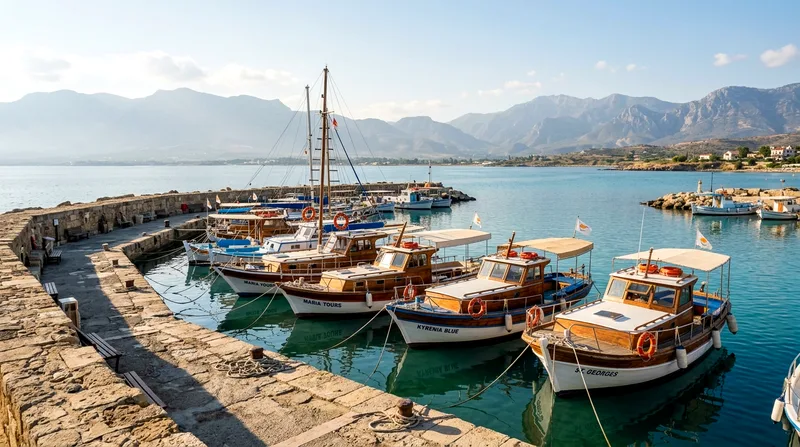
Limassol sits almost dead-center on the south coast, which makes it the most logical base if you want to day-trip in multiple directions without constant long drives. It has a modern marina district with yacht charters and sportfishing operators, a long beachfront promenade, and enough restaurants and bars to keep couples and families entertained without tipping into the all-night club scene you get in Ayia Napa.
This is also the best-positioned region for mixing coastal and mountain time. The Troodos foothills are under an hour away, so you can do a beach morning and a vineyard or hiking afternoon without rebooking accommodation. I'd avoid Limassol if your priority is quiet, empty beaches — the city beaches get busy and some are narrow and pebbly compared to the wider sand stretches near Ayia Napa.
Activities and day trip options
Limassol Marina runs sailing and catamaran charters, and several sportfishing operators work out of the same harbor targeting tuna and swordfish offshore. Ancient Kourion, a clifftop Greco-Roman site with an intact amphitheater still used for performances, is a 20-minute drive west. Wine villages in the Limassol foothills — Omodos and the Krasochoria route — make an easy half-day trip.
Best for which travelers
Limassol suits families wanting resort infrastructure plus day trips, boaters and anglers needing marina access, and travelers who dislike choosing just one type of holiday. It's less suited to budget travelers — hotel rates here run higher on average than Larnaca or inland Troodos villages, particularly from June through September.
Ayia Napa: Nightlife and Water Sports
Ayia Napa is the region built for young, active travelers and water-sports fans, and it makes no apologies for that. Nissi Beach and the Ayia Napa harbor strip get loud and crowded in peak summer — if that's not your scene, this is the region to skip. But for kitesurfers, divers, and groups wanting nightlife within walking distance of the beach, it's unmatched on the island.
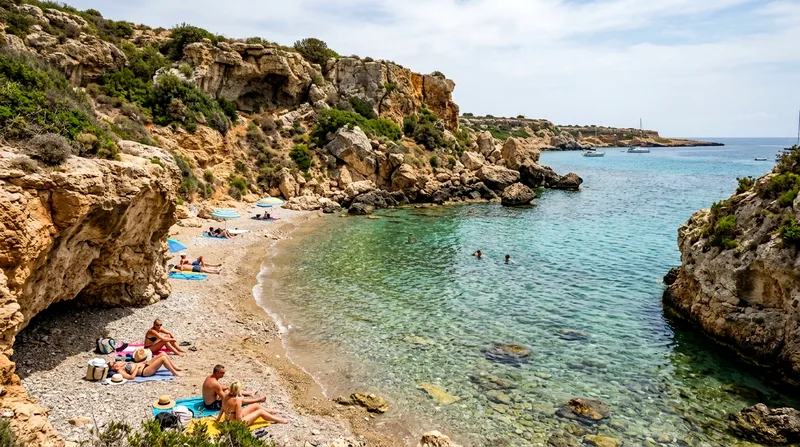
Cape Greco National Forest Park, just east of town, offers sea caves, cliff walks, and some of the clearest snorkeling water in Cyprus, which balances out the party reputation with genuinely good outdoor time during the day. Families do visit Ayia Napa, and the water park and calmer coves like Makronissos work fine for kids, but I'd steer families wanting quiet toward Paphos or inland Troodos instead.
Summer scene and water activities
Jet ski rental, parasailing, banana boats, and kitesurf schools line Nissi Bay and Makronissos Beach through summer. Several dive centers run daily boat trips to the Cape Greco reefs and the Liberty wreck area, with introductory dives available for non-certified visitors running a few hours including equipment.
Proximity to diving and beaches
Cape Greco dive sites sit within a 10-15 minute boat ride from Ayia Napa harbour, among the shortest transfer times to quality diving anywhere on the island. Protaras, with its own quieter beach cluster, is a 15-minute drive north if Ayia Napa's main strip feels too busy some days.
Troodos Mountains: Hiking and Villages
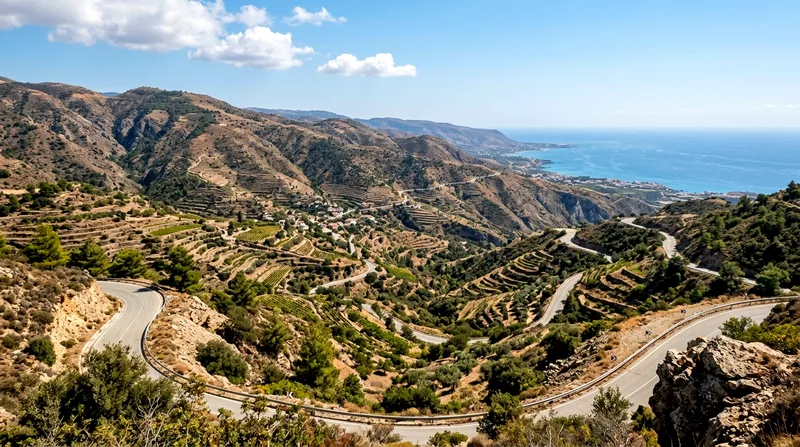
The Troodos Mountains are the region most visitors skip entirely, which is a mistake if hiking, cooler air, or traditional village life interests you. Mount Olympus, the island's highest point at 1,952 meters, anchors a network of marked trails through pine forest, past Byzantine painted churches (several UNESCO-listed) tucked into villages like Kakopetria and Pedoulas. Stone-built guesthouses replace beach resorts here, and the pace drops noticeably.
Don't expect beach-region infrastructure — restaurant hours are shorter, public transport is thin, and you'll want a car with reasonable ground clearance for some of the back roads. Summer temperatures run several degrees cooler than the coast, which makes the Troodos a smart midsummer escape when Limassol and Ayia Napa hit the mid-30s Celsius.
Mountain trails and village culture
The Artemis and Atalante trails circle Mount Olympus with distances of roughly 7-9 km, manageable as half-day hikes for reasonably fit walkers. Villages like Omodos and Lofou combine wine tasting with traditional architecture, and most are a 20-40 minute drive from Limassol, making the Troodos a workable day trip even if you base on the coast.
Seasonal access and activities
Winter brings limited skiing to Mount Olympus, typically January through March depending on snowfall, with a handful of basic lifts — not a serious ski destination by Alpine standards, but a novelty given the Mediterranean setting. Spring and autumn are the best hiking windows; some higher trails close or become impractical after snowfall.
Larnaca: History and Budget Access
Larnaca gets overlooked because it sits right next to the island's main airport, and travelers assume it's just a transit point. That's underselling it. The city has its own palm-lined promenade (Finikoudes), the Church of Saint Lazarus dating to the 9th century, and the Hala Sultan Tekke mosque beside the salt lake — plus some of the better value accommodation on the south coast.
Larnaca also works as a genuinely practical base for first and last nights of a trip, or for travelers who want central access without Limassol's higher prices. Nightlife is modest compared to Ayia Napa, and the city beaches aren't the island's best, so don't expect a beach-first holiday here — think of Larnaca as the logistics-friendly, budget-conscious choice instead.
Salt lakes and archaeological sites
The Larnaca Salt Lake, dry most of the summer, hosts migrating flamingos from around November to March and makes an easy walking loop near the mosque. Choirokoitia, a Neolithic settlement and UNESCO World Heritage Site, sits about 30 minutes west and is one of the oldest organized settlements found in the Mediterranean.
Gateway location advantages
Larnaca International Airport handles the bulk of the island's international arrivals, and the city sits roughly equidistant — about 45-50 minutes — from both Limassol and Ayia Napa, and about an hour from Nicosia. That makes it a sensible one or two-night base to break up a longer regional road trip rather than a full week's stay.
Matching Your Base to Your Trip Style
If you're comparing Paphos vs Limassol vs Ayia Napa directly, the honest answer is that they serve different trips, not different versions of the same one. Paphos wins on culture and pace, Limassol wins on flexibility and marina access, Ayia Napa wins on nightlife and dive logistics. None of them is objectively "the best region" — that depends entirely on what you came to do.
Compare this to how people choose between Crete and Rhodes in Greece: Crete's size forces a similar regional split between mountain villages and coastal resorts, while Rhodes compresses old-town culture and beach time into a tighter radius. Cyprus works more like Crete — you need to commit to a region rather than assume you'll casually cover the whole island on day trips, though Limassol's central position makes it the closest thing to a compromise base. Malta, by contrast, is small enough that regional choice matters far less; you could stay anywhere and reach most sites within 45 minutes.
For a two-region trip, pair Paphos with the Troodos (both reachable within 90 minutes of each other) or Limassol with Larnaca for an easy coastal-to-airport flow. Trying to cover Ayia Napa and Paphos in one week means accepting at least one long transfer day — they sit nearly 2.5 hours apart by road.
Frequently asked questions
Which Cyprus region is best for families?
Limassol and Paphos both work well for families. Limassol offers resort infrastructure, calmer city beaches, and easy day trips to Kourion and the Troodos foothills, while Paphos suits families wanting a slower pace with a water park near Geroskipou and shallow coves like Coral Bay. Ayia Napa works for families with teenagers wanting water sports, but the main strip's nightlife noise isn't ideal for younger kids.
How far apart are the main regions?
Driving times run from about 45 minutes (Limassol to Larnaca) up to 2.5 hours (Paphos to Ayia Napa) across the south coast motorway network. The Troodos Mountains add extra time regardless of your coastal base, typically 1-1.5 hours from Limassol or Nicosia due to winding mountain roads.
Which region has the most nightlife?
Ayia Napa, by a wide margin — its clubs and bars around the main square and harbor run well past midnight through summer. Limassol has a more grown-up bar and restaurant scene, while Paphos and Larnaca stay comparatively quiet after dinner.
Is Troodos Mountains accessible year-round?
Yes, but access and conditions shift by season. Roads stay open most of the year, though snow occasionally closes higher routes near Mount Olympus in winter, when limited skiing operates instead. Spring and autumn offer the best hiking conditions; midsummer is popular specifically because it's cooler than the coast.
Which region offers the best value accommodation?
Larnaca and the Troodos villages typically offer the lowest average rates, especially outside July and August. Limassol tends to run highest due to its marina district and business traffic, with Ayia Napa close behind during peak summer weeks when demand for beachfront rooms spikes.