Explore Cyprus scuba diving tours: Zenobia wreck dives, Protaras reefs, Paphos caves. Compare dive centres, certification options and booking tips.
Who Each Dive Tour Suits
Cyprus scuba diving tours split roughly into two crowds, and knowing which one you are before you start browsing saves a lot of wasted inquiries. One group has never strapped on a regulator and wants a safe, structured introduction — ideally with a certificate to show for it. The other already dives and came to Cyprus specifically because of one wreck: the Zenobia, sitting near Larnaca, regularly ranked among the better wreck dives in the Mediterranean.
Between those two poles sits everyone else — intermediate divers doing a handful of reef dives on holiday, families with a mix of certified and non-diving members, photographers after macro shots of nudibranchs and octopus rather than big pelagic drama. Cyprus doesn't really do big pelagic drama. If you're coming from Red Sea diving expecting manta rays and dense coral walls, recalibrate — this is Mediterranean diving: clear water (visibility commonly 15-30 metres), moderate marine life, and the appeal is structure and geology as much as biology.
Beginners and certification seekers
If you've never dived, Cyprus is a genuinely good place to learn. Warm water for most of the year, calm bays around Protaras and Paphos for confined-water sessions, and a dense concentration of dive centres competing for your business, which keeps quality reasonably high. A PADI Open Water course typically runs three to four days and combines classroom/e-learning, pool or shallow-water skills, and four open-water dives. Expect the course to cost somewhere in the low-to-mid hundreds of euros — exact figures vary by centre and whether you've completed e-learning in advance, so confirm current pricing directly. Shorter options exist too: a Discover Scuba Diving experience (no certification, one supervised shallow dive) is a cheap, low-commitment way to test whether you like it before committing to a full course.
Experienced divers and wreck enthusiasts
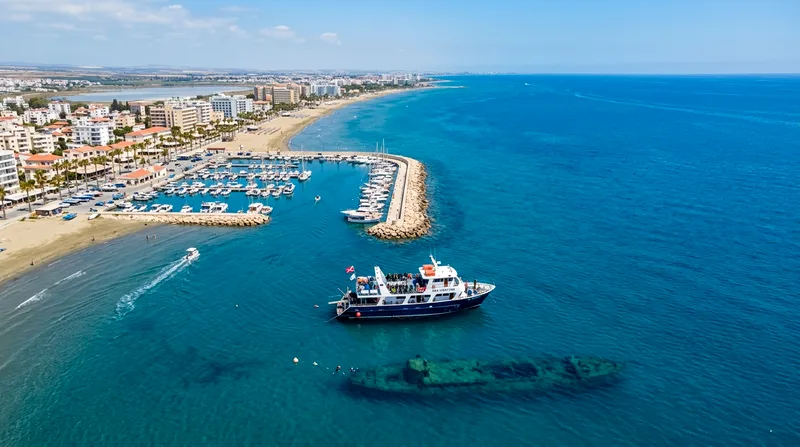
Certified divers heading to Cyprus are usually there for one reason: the Zenobia. This Swedish ferry sank in 1980 off Larnaca carrying over a hundred articulated lorries, and it now lies on its side at depths ranging from around 16 metres at the shallowest superstructure to 42 metres at the seabed. That depth range matters — the upper sections suit Advanced Open Water divers, while the deeper penetration dives into the cargo holds are for those with wreck specialty training or significant logged dives. Don't let anyone tell you it's a beginner site; parts of it are, the rest absolutely isn't. Beyond the Zenobia, experienced divers often add a few days around Paphos for cave and swim-through dives, which demand good buoyancy control rather than depth tolerance.
Main Dive Tour Categories
Once you know your skill level, the next decision is format. Cyprus dive centres — concentrated around Larnaca, Protaras, Ayia Napa, Limassol and Paphos — generally offer a handful of tour structures, and each has a genuine trade-off, not just a price difference.
Wreck dives on the Zenobia demand more certification and planning than Protaras reef trips, while private charters trade cost for control over the dive plan.
Cyprus scuba diving tours compared: reef, wreck, cave and tour format
| Tour type | Typical depth | Best for | Group size | Certification needed |
|---|---|---|---|---|
| Protaras reef dive | 5-18m | Beginners, families | 6-15 divers | Open Water |
| Zenobia wreck (upper deck) | 16-25m | Confident Open Water+ | 4-10 divers | Advanced Open Water |
| Zenobia wreck (penetration) | 25-42m | Experienced wreck divers | 2-6 divers | Wreck specialty |
| Paphos cave/swim-through | 8-20m | Buoyancy-confident divers | 4-8 divers | Open Water+ |
| Private dive charter | Varies | Photographers, couples, repeat divers | 1-4 divers | Matches site chosen |
Depths and group sizes are typical ranges; confirm specifics and current certification requirements with the dive centre before booking.
Guided reef dives vs. wreck expeditions
Reef dives around Protaras and the Cape Greco coastline tend to be shallower (usually 5-18 metres), lower-intensity, and bookable with minimal lead time — many centres run them daily as two-tank morning trips. They suit Open Water divers, families with a mix of abilities, and anyone wanting a relaxed dive without decompression concerns. Wreck expeditions to the Zenobia are a different animal: boats leave from Larnaca marina specifically for the site, dives are planned around depth and no-decompression limits, and centres often cap group sizes tighter because of the penetration routes inside the ship. If your holiday is one week and you want both, book the wreck dive early in your trip — bad weather occasionally pushes Zenobia trips by a day, and you want slack in your schedule, not your last available day.
Group tours vs. private dive charters
Group boat dives are the default and the budget option — you'll share a boat with six to fifteen other divers, split by certification level, with an instructor or divemaster per group of roughly four to six. They're sociable and cheaper per head. Private charters cost more — often two to four times the per-person group rate — but you control the dive plan, the timing, and whether you repeat a site or penetration route that a group schedule wouldn't allow. For underwater photographers, a private or small-group charter is worth the premium: you're not stuck waiting for six other divers to finish their safety stop while your strobe batteries drain.
Dive Sites: Wrecks, Reefs and Caves
Cyprus packs a surprising range of underwater terrain into a small coastline, and which region you base yourself in should follow the sites you want, not the other way round.
Zenobia wreck diving
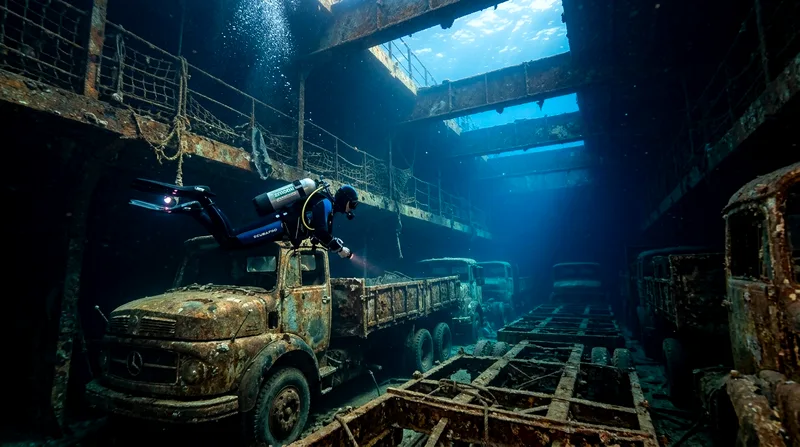
The Zenobia sank on its maiden voyage after a ballast computer malfunction, and it's now one of the most-dived wrecks in the Mediterranean, partly because of the scale — 172 metres long — and partly because the cargo of lorries still sits in rows inside the hold, an eerie, photogenic scene that's become the signature image of diving Cyprus. Multiple dives are usually needed to see a meaningful portion of it; serious wreck divers often book three or four dives across different sections rather than one visit. Boats depart from Larnaca, and most reputable centres require proof of Advanced certification and recent dive logs before taking you past the main deck.
Protaras reef systems
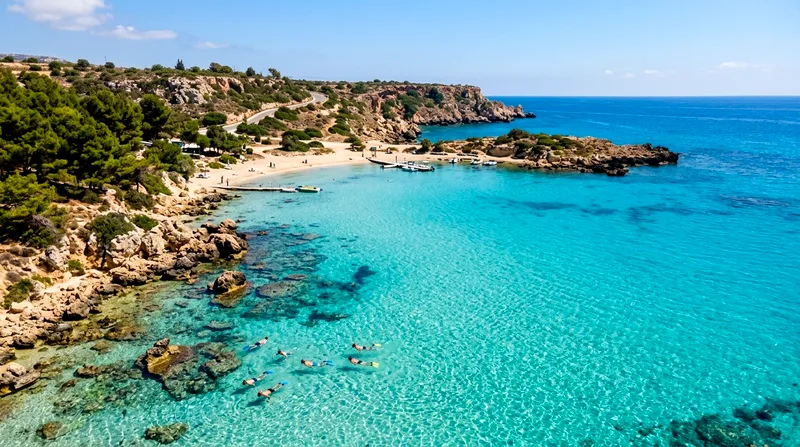
Protaras diving is shallower, friendlier, and better suited to new divers or anyone wanting multiple easy dives in a week. Sites around Cape Greco feature rock formations, swim-throughs, and resident groupers, octopus and moray eels rather than coral in the tropical sense — Mediterranean reefs are rock and sponge ecosystems. Visibility here is often excellent, especially May through October, and the protected bay areas make it a reliable choice when wind rules out boat trips elsewhere on the coast.
Paphos underwater caves
Paphos cave dives are less about depth and more about navigation — swim-throughs and overhangs with natural light shafts, suited to divers with solid buoyancy and comfort in overhead environments, even briefly. These aren't full cave-certification dives requiring specialty training in most cases; they're more "cavern" style with visible exit light. Still, nervous divers or anyone with buoyancy issues should say so upfront — a good instructor will adjust the route rather than push you through a tight swim-through you're not ready for.
What to Look for When Booking
Not all Cyprus dive centres operate the same way, and the differences matter more than the marketing photos suggest.
Inclusions and equipment rental
Check exactly what's bundled. Most group tours include tank, weights and boat transport as standard, but full equipment rental (BCD, regulator, wetsuit, computer) is often an add-on, not automatic. If you're travelling without your own gear, ask whether rental is priced per item or as a package — a package is almost always cheaper if you need more than two pieces. Wetsuit thickness matters more than people expect: a 3mm suit is fine in August, genuinely cold in March.
Group size and instructor ratios
Ask the instructor-to-diver ratio before booking, not after you're on the boat. For Open Water students, PADI standards cap ratios, but recreational fun-dive ratios vary by centre — some run one divemaster per eight divers, others cap at four. Tighter ratios cost more but matter enormously on wreck or cave dives where a scattered group is a real safety issue, not just an inconvenience.
Cancellation and safety policies
Sea conditions change the plan more often than tourists expect, particularly on the Larnaca-Zenobia route where boats sometimes substitute a sheltered reef dive if swell is too high. Read the cancellation policy before paying — the better centres offer a date change or partial refund for weather cancellations rather than forcing a no-show loss. Also confirm they carry oxygen and have a documented emergency plan; Cyprus has a recompression chamber, but you want a centre that takes that seriously rather than treating it as a formality.
When to Book Your Dive Tour
Dive season in Cyprus runs essentially year-round, but conditions shift enough to affect what you should book and when. Water temperature peaks around 26-28°C in August and drops to roughly 16-17°C in February, meaning winter diving needs a 7mm suit or drysuit and appeals mainly to committed divers rather than holiday beginners. May to October is the practical window for most visitors — warmer water, calmer seas, and every dive centre running a full schedule.
Book PADI courses and Zenobia wreck trips several days to a week ahead in peak July-August season, when centres fill up fast with both tourists and local divers. Shoulder months — May, June, September, October — often give you better visibility, smaller groups, and more flexible scheduling, and they're genuinely my preferred window over peak summer, when boats can feel crowded and Larnaca marina gets busy. If you're combining diving with other Cyprus bookings — a Troodos Mountains day trip, a boat tour from Limassol, or a Larnaca Salt Lake walk — slot the dive days around weather-dependent plans first, since diving has less flexibility than land-based sightseeing. Compare current dive centre prices and reviews before you book, since course fees, equipment rental costs and group sizes vary enough between centres to be worth five minutes of checking.
Frequently asked questions
What is the best time to scuba dive in Cyprus?
May through October offers the most reliable conditions — warm water (22-28°C), calm seas and full dive centre schedules. July and August are busiest and warmest; shoulder months like May, June and September often give better visibility with fewer boats on site. Winter diving is possible but needs a thicker wetsuit and suits experienced divers more than beginners.
Do I need certification to dive in Cyprus?
Not for your first dive. Discover Scuba Diving sessions let uncertified beginners dive to a shallow depth (usually around 6-12 metres) under direct instructor supervision, no certification required. For independent or deeper diving, including most of the Zenobia, you'll need at least PADI Open Water, with Advanced Open Water required for the wreck's deeper sections.
How much does a PADI course cost in Cyprus?
Open Water certification typically falls in the low-to-mid hundreds of euros, covering materials, pool sessions and four open-water dives; Discover Scuba sessions and single fun dives cost considerably less. Prices vary by centre and whether equipment rental is included, so confirm current rates and what's bundled before booking.
Is the Zenobia wreck suitable for beginners?
Partially. The shallowest parts of the superstructure, around 16-18 metres, are accessible to confident Open Water divers with a guide, but the main cargo hold penetration dives sit at 25-42 metres and require Advanced certification or wreck specialty training. Most centres will assess your logged experience before confirming a spot on deeper sections.
What is included in a typical dive tour package?
Standard inclusions are usually tank, weights, boat transport and a guide or divemaster. Full equipment rental (wetsuit, BCD, regulator, computer) is frequently a separate add-on rather than automatic, and photography equipment or nitrox fills almost always cost extra. Always ask for a written list of inclusions before paying a deposit.