Compare Cyprus snorkelling tours at Protaras, Ayia Napa and beyond. Guided vs DIY, gear rental, marine life, costs and how to book the right one.
Who Should Book a Cyprus Snorkelling Tour
Cyprus snorkelling tours suit a specific kind of traveller, and it's worth being honest about who doesn't need one. If you're a confident swimmer heading to a shallow, sheltered bay like Fig Tree Bay, a guide adds little beyond convenience. But if you want boat access to reefs away from the shore, reassurance in open water, or you're travelling with kids who need constant supervision, a structured tour earns its cost.
The Mediterranean here is unusually clear — visibility of 15-20 metres on a calm day is common off the southeast coast — which means even moderate swimmers can see plenty without going far. That's part of why Cyprus works well for snorkelling tourism generally: you don't need technical skill to get a good look at the seabed.
Best for beginners and non-swimmers
A guided snorkel tour is the right call if you've never worn a mask and fins before, or if you're a weak swimmer who wants a flotation aid and someone watching from a few metres away. Most operators running from Ayia Napa or Protaras harbours use a buoyancy vest or pool noodle for first-timers, and a decent guide will spend five to ten minutes on breathing-through-the-snorkel basics before anyone gets in open water. Avoid tours that rush this part — if the boat crew hands out gear and expects everyone in the water within two minutes of departure, that's a signal the briefing is an afterthought, not a safety step.
Ideal for families and group travellers
Families with children aged roughly seven and up tend to do well on half-day boat tours, particularly ones that combine a reef stop with a swim break and lunch. Check the minimum age policy before booking — some boats won't take children under six, and others cap group size at twelve to keep the water supervised. Grandparents travelling with grandchildren should ask specifically about ladder access back onto the boat; a rigid ladder with handrails matters more at 65 than it does at 25, and not every boat has one.
Guided Tours vs DIY Snorkelling in Cyprus
This is the real decision most people are making, and it comes down to access, not ability. Shore snorkelling works brilliantly at a handful of named spots in Cyprus — you can walk in, swim out 20-30 metres, and see rock formations and fish without a boat. Guided tours exist mainly to reach spots that shore access can't: offshore reefs, sea caves along the Cape Greco coastline, or a combined snorkel-and-swim stop as part of a longer boat trip.
Neither option is objectively better. DIY is cheaper and more flexible — you go when you want, stay as long as you like, leave when the crowd arrives. Guided tours cost more but include transport to spots you couldn't otherwise reach from shore, plus a guide who knows where the fish actually are that day, which matters more than people expect; marine life moves with the current and the season.
Guided boat tours cost more but reach spots shore snorkelling can't, while DIY from a beach kiosk is cheaper and more flexible for confident swimmers.
Cyprus snorkelling tours vs DIY: cost, access and who each suits
| Option | Typical duration | Cost level | Best for | Main drawback |
|---|---|---|---|---|
| Guided boat tour (shared group) | 2-4 hours | Moderate | Beginners, reef/cave access, solo travellers | Fixed schedule, shared pace |
| Guided private tour | 2-4 hours | High | Families wanting flexibility | Costs more per person |
| DIY shore snorkel, own gear | Flexible | Low (one-off gear purchase) | Confident swimmers, repeat snorkellers | No supervision or local knowledge |
| DIY shore snorkel, rented gear | Flexible | Low | Short stays, trying it once | Rental quality varies by kiosk |
Typical figures based on common Cyprus operator and kiosk practice; confirm current pricing, group size and inclusions before booking.
Guided tour benefits and structure
A typical guided snorkelling tour out of Ayia Napa or Protaras runs two to four hours, departs mid-morning, and includes mask, snorkel and fins in the price along with a short briefing. Many are sold as part of a broader boat excursion — a glass-bottom or semi-submarine trip with a snorkel stop bolted on — rather than a dedicated snorkelling product, so read the itinerary carefully. If marine life and reef time is your priority, look for tours that specify two separate snorkel stops rather than one brief dip near the harbour.
DIY snorkelling and gear rental options
Gear rental from beach kiosks at Fig Tree Bay, Nissi Beach, or Coral Bay near Paphos typically runs a modest daily rate for a mask, snorkel and fins set — cheap enough that a family of four renting for an afternoon spends less than one person would on a guided boat tour. Buying your own set before the trip (from around €15-25 for a basic mask-and-snorkel combo at most European sporting goods shops) is worth it if you're snorkelling more than two or three times during your stay. The trade-off: you're responsible for reading conditions yourself — wind direction, current, boat traffic near harbour mouths — and Cyprus beaches don't always have lifeguards covering every entry point outside peak summer months.
Top Cyprus Snorkelling Spots and Marine Life
The marine life you'll see is standard Eastern Mediterranean fare rather than tropical-reef colour — expect salema and damselfish, occasional octopus tucked into rock crevices, sea bream, and if you're lucky, a loggerhead turtle drifting past, since Cyprus beaches including those near Lara Bay are known nesting sites. Don't expect coral reefs; the underwater landscape here is rock, seagrass meadow and sand rather than coral structure, which disappoints some visitors who've snorkelled in the Red Sea or Caribbean and arrive with the wrong expectations.
Protaras and Fig Tree Bay
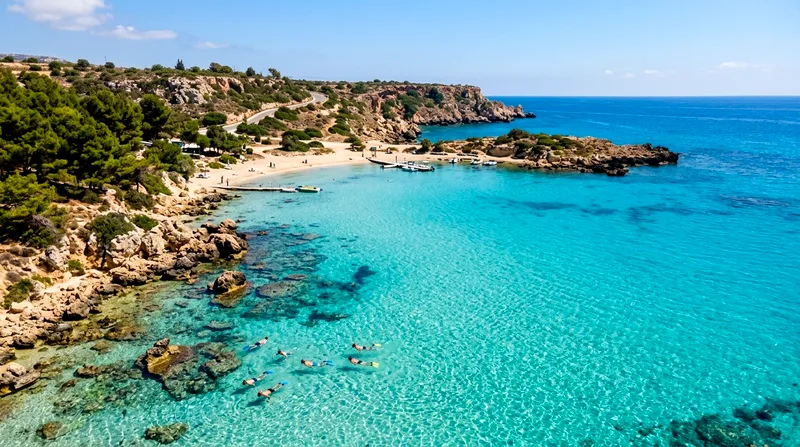
Fig Tree Bay is the single most-recommended shore snorkelling spot in Cyprus, and deservedly so — a small islet sits just offshore, reachable by a short swim or shallow wade at low tide, with rocky edges holding small fish and sea urchins. It gets crowded by mid-morning in July and August, so go before 9am or treat it as an early-evening swim instead. Konnos Bay, a few minutes further along the Protaras coast toward Cape Greco, is quieter and rockier, with slightly better visibility because fewer swimmers stir up the sandy bottom.
Ayia Napa coastal reefs
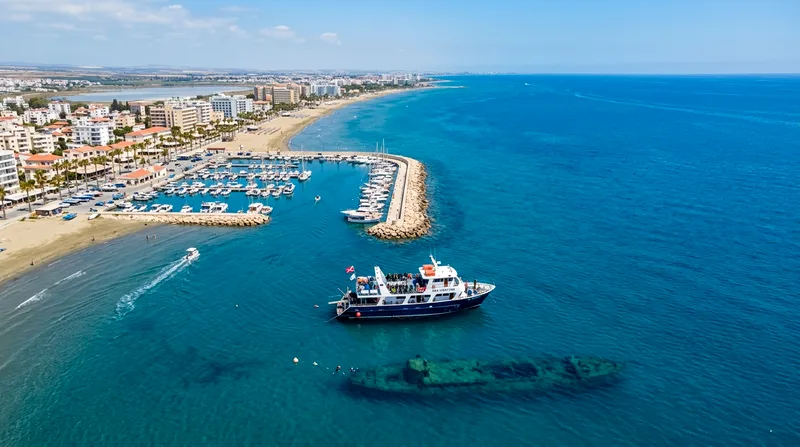
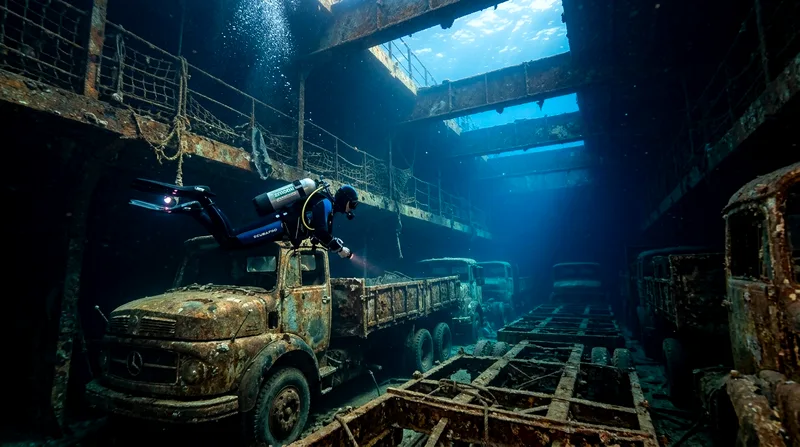
The sea caves area near Cape Greco, reachable from Ayia Napa by boat tour or a longer coastal walk and swim, has more rock structure and depth variation than Fig Tree Bay, which means more fish and better conditions for underwater photography — bring a basic waterproof case or action camera rather than relying on a phone pouch, which fogs up within the hour. Larnaca's coastline, including the Zenobia wreck area, is more of a scuba destination than a snorkelling one; the wreck itself sits too deep for snorkellers, so don't book a Larnaca "wreck snorkel" tour expecting to see the ship — you'll see open water and a dive boat.
What to Look for When Booking a Snorkel Tour
Once you've decided guided is right for you, the operator details matter more than the marketing photos. Cyprus doesn't have a single dominant snorkelling-tour brand the way some islands do — options are scattered across Ayia Napa and Protaras harbours, often sold through hotel activity desks or local booking kiosks — so comparing reviews and inclusions before paying is worth the ten minutes it takes.
Group size, inclusions and safety
Ask directly how many people will be on the boat and how many guides are supervising the water. A ratio tighter than roughly one guide per eight to ten snorkellers is reasonable for a mixed-ability group; anything looser means you're largely on your own once in the water. Confirm whether life jackets or buoyancy aids are offered for non-swimmers — not every tour carries enough for the whole group, and some only supply one or two on request. Sun shade on board matters too, especially for a four-hour trip in August; an open boat with no bimini top means real sunburn risk for children.
Cancellation policies and equipment quality
Weather cancels Cyprus boat tours more often than people expect, particularly wind rather than rain — the Protaras and Ayia Napa coast can turn choppy within an hour even on a sunny forecast. Check the cancellation policy before paying: most legitimate operators offer a full refund or free rescheduling for weather cancellations initiated by them, but fewer offer the same flexibility if you cancel for personal reasons within 24 hours. On equipment, ask whether masks are sized for children separately from adults — a poorly fitted mask that leaks is the single biggest reason first-timers have a bad experience and decide they "don't like snorkelling."
When and How to Book Your Cyprus Snorkelling Tour
Snorkelling season in Cyprus runs roughly May through October, with sea temperatures peaking around 26-28°C in August and dropping to a bracing but still swimmable 20-21°C by late October. June and September offer the best trade-off — warm water, thinner crowds at Fig Tree Bay, and calmer morning seas before the afternoon wind picks up, which it reliably does along this coast from early summer onward.
Book directly through your hotel's activity desk, a harbour-side kiosk in Ayia Napa or Protaras, or a reputable online booking platform rather than an unmarked stall offering a suspiciously cheap deal — if a price looks far below what two or three other operators are quoting for the same duration and inclusions, find out what's missing before you hand over cash. Private tours cost more than joining a shared group boat but suit families wanting flexibility over timing and stops; shared group tours are cheaper per person and better if you're solo and want company. Compare current boat tours and prices before you book, and read the most recent reviews rather than the top-rated ones, since operator quality can shift season to season with staff changes.
Frequently asked questions
Do I need experience to join a Cyprus snorkelling tour?
No. Most guided tours out of Ayia Napa and Protaras are built for beginners and include a short briefing, buoyancy aids on request, and shallow first stops before moving to deeper water. You should be a reasonably comfortable swimmer, though — tours aren't swimming lessons, and a guide can supervise but won't tow a non-swimmer the whole route.
What marine life will I see snorkelling in Cyprus?
Expect sea bream, damselfish, salema shoals, occasional octopus in rock crevices, sea urchins, and starfish on sandy patches. Loggerhead turtles turn up along the southeast and west coasts near nesting beaches, though sightings aren't guaranteed on any single trip. There's no coral reef — the underwater terrain is rock, sand and seagrass.
How much does a snorkelling tour cost?
Prices vary by operator, boat size, and whether it's shared or private, so check current listings when booking rather than relying on a fixed figure. As a rough guide, shared group boat tours with gear included tend to sit in a mid-range bracket per person, with private charters costing several times more for the whole boat.
What's included in a typical snorkelling tour package?
Most include mask, snorkel and fins, a safety briefing, and transport to one or two snorkel stops by boat, often bundled with a swim break or light refreshments. Wetsuits aren't always included — ask directly if you tend to feel the cold, since Cyprus sea temperatures drop noticeably outside peak summer.
Can I snorkel independently or rent gear without a guide?
Yes, and at shore spots like Fig Tree Bay or Coral Bay near Paphos it's the simpler, cheaper option for competent swimmers. Beach kiosks rent mask-snorkel-fin sets by the hour or day at a modest cost. Just check wind and current conditions yourself first, since many beaches don't have year-round lifeguard cover.