Discover Cyprus surf spots, swell conditions, and where to rent boards or take lessons. Honest guide to surfing in Cyprus year-round.
Cyprus Surf Conditions and Swell Windows
Surfing Cyprus means managing expectations. This is the Mediterranean, not the Atlantic — there's no swell factory out there generating consistent groundswell, so what you get is wind swell, generated locally or by storms tracking across the sea from Italy or North Africa. On a good day that means clean, rideable waist-to-chest-high waves. On most days it means flat or barely-there ripples good only for a longboard cruise or a paddle.
The island sits exposed to different wind directions depending on coast, which matters more here than almost anywhere else in Europe. A south-west blow lights up the west coast; a north-easterly can wake up stretches of the north coast. Because the swell is wind-driven rather than from distant groundswell, conditions change fast — a flat morning can turn into a surfable afternoon, and vice versa. Anyone serious about catching a session needs to check a live forecast (Windguru and Surf-Forecast both cover Cyprus reasonably well) rather than planning around a fixed itinerary slot.
Compared with Crete, which gets slightly more reliable Aegean wind swell in winter, or the Atlantic-facing coasts tourists sometimes compare it to, Cyprus comes up short on consistency. But it beats Malta for sheer number of exposed coastline angles, and it's considerably warmer than surfing Sicily's north coast in January.
Best Seasons for Swell
Late autumn through early spring — roughly November to March — is when Cyprus sees its most consistent surf, driven by the stronger winter depressions crossing the Mediterranean. December and January tend to produce the most sessions worth paddling out for. Summer (June through August) is almost always flat, with the sea turning into a lake for swimming and SUP rather than surfing. If you're planning a trip specifically to surf, build it around winter, not the peak tourist season — which also means cheaper flights and accommodation, a genuine upside for budget travelers.
Wave Heights and Difficulty
Expect typical wave heights of 0.5 to 1.2 metres on a working day, occasionally pushing higher during a strong winter storm. Most breaks are beach breaks over sand, which is forgiving for beginners falling off — no reef to worry about, unlike parts of Crete or the Canary Islands. The trade-off is that beach break waves here are often mushy and close out quickly rather than offering a long, workable face. Intermediate surfers looking to progress their turns will find days when it's genuinely fun, but they're not frequent enough to build a trip around.
Top Surf Spots Around the Island
Cyprus surf spots are scattered and inconsistent enough that locals tend to check several locations before deciding where to paddle out. There's no single reliable break the way Famara works in Lanzarote or Sidari pulls crowds in Corfu — you chase whichever coast is catching wind and swell that day.
Paphos and the west coast offer the most consistent and accessible surf in Cyprus, while the north coast remains the least developed for visiting surfers.
Cyprus surf spots compared: coast, conditions and who they suit
| Spot/Coast | Best Wind Direction | Wave Type | Best For | Access |
|---|---|---|---|---|
| Paphos area (west coast) | South-west | Sandy beach break | Beginners, intermediates | Easy, tourist infrastructure |
| Limassol coastline | South-west to south | Sandy beach break, inconsistent | Beginners, SUP | Easy, urban beaches |
| Larnaca | South to south-east | Sandy beach break, unpredictable | Intermediate, patient surfers | Easy, car needed |
| North coast (Kyrenia area) | North-east | Sandy beach break, undocumented | Experienced, exploratory surfers | Harder, border crossing required |
Conditions are wind-driven and change quickly; always check a live swell forecast before traveling to any spot.
North Coast Breaks
The north coast, including stretches near the Kyrenia range, can pick up swell from north-easterly winds, though access and tourist infrastructure here differ from the Republic of Cyprus side and logistics (crossing checkpoints, car rental restrictions) are worth checking before you go. It's less surfed and less documented online, which means fewer people in the water but also less local knowledge to tap into if you're new to the area.
South and West Coast Breaks
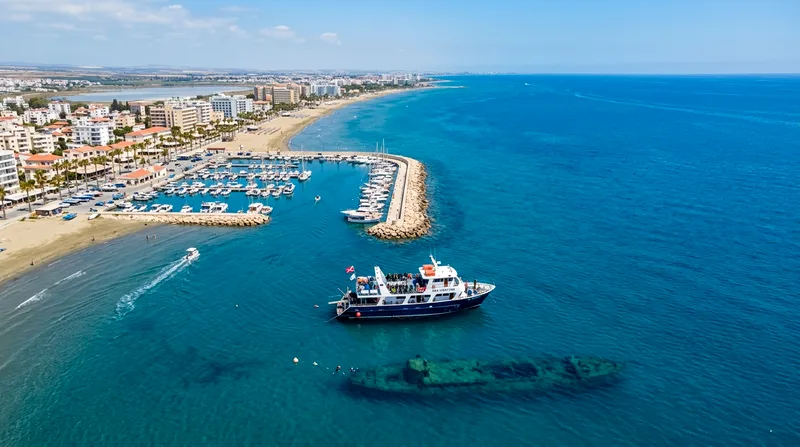
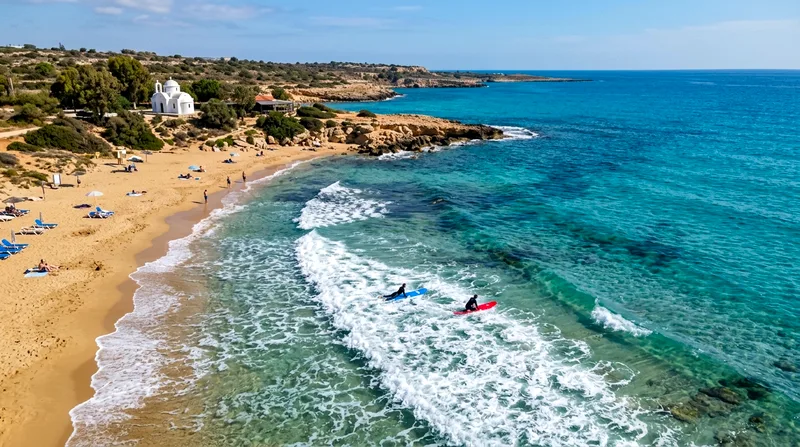
Most of the accessible, rentable, lesson-friendly surf happens on the south and west coasts, near Paphos, Limassol and Larnaca. The west coast around Paphos tends to be the most talked-about among Cyprus's small surf community, catching south-westerly wind swell with a handful of beach breaks that hold a wave through a tide change. Limassol's coastline sees occasional surf too, though the city's busy marina and built-up seafront mean fewer open beach stretches than Paphos. Larnaca is more of a wildcard — it can go flat for weeks and then produce a surprisingly fun few days when a storm system passes south of the island. None of these are secret spots in the Rhodes or Santorini sense of hard-to-reach beauty; they're ordinary beaches that happen to get occasional surf, which is refreshingly low-key if you don't like crowds.
Board Rentals and Equipment
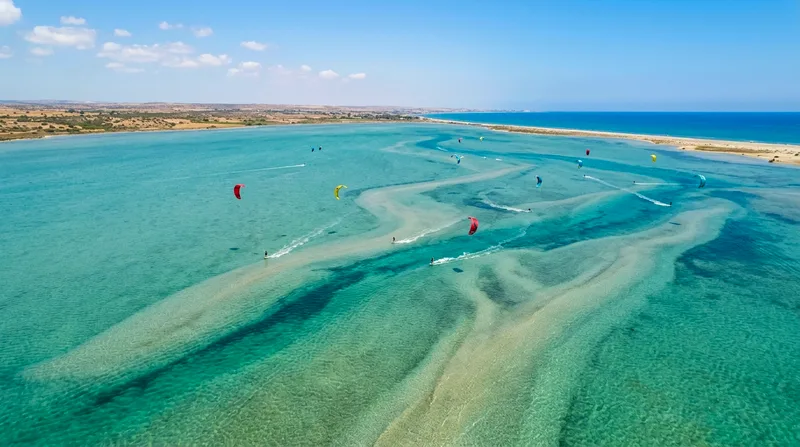
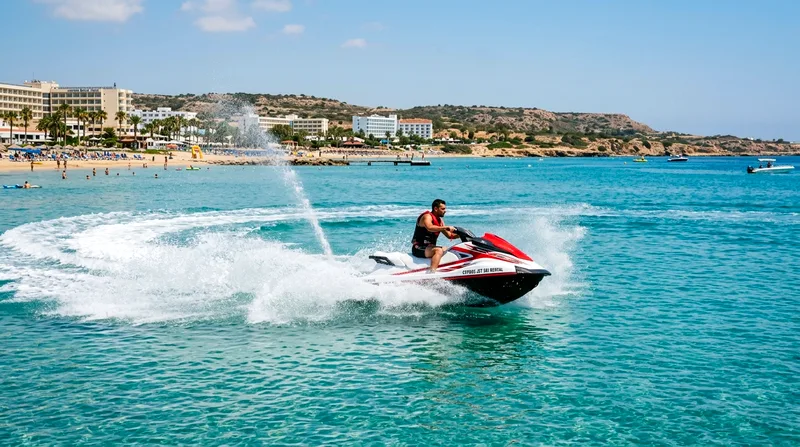
Don't expect a surf shop on every corner — Cyprus isn't set up like Portugal or the Canaries, where rental shacks line every beach road. What exists is smaller-scale: a handful of watersports operators, mostly clustered around Paphos and Limassol, that stock surfboards and SUP boards alongside kayaks, kitesurf gear and snorkeling kit. Many of these businesses lean more heavily on SUP and kitesurfing rentals than pure surfing, since those activities work in flatter, more predictable conditions year-round.
Where to Rent Boards
Watersports centers in Paphos and around the Limassol coastline are the most reliable bet for surfboard hire, typically alongside SUP and windsurf equipment. Expect daily rental rates somewhere in the €20–€35 range for a surfboard, depending on board type and season, with weekly discounts common. Availability is weather-dependent — some operators only pull surfboards out of storage when there's an actual forecast worth renting for, so it's worth calling or messaging ahead rather than turning up expecting a board on a flat day. If you're already booking a watersports package or island activity itinerary, ask whether surf equipment is bundled in, since many operators run combined kayak-SUP-surf rental desks rather than separate ones.
What to Bring and Wear
Water temperature swings a lot across the surf season. In November it's still a comfortable 21–23°C, requiring at most a spring suit or 2mm shorty. By January and February, sea temperatures drop to around 16–17°C, cold enough that a 3/2mm or 4/3mm wetsuit is sensible, particularly for longer sessions. Few rental shops stock a wide range of wetsuit sizes, so if you have a specific fit requirement, bring your own. Reef boots aren't necessary given the sandy bottoms, but a leash and wax (or a soft-top board, which many rental fleets favor for beginners) are standard.
Surf Schools and Lessons
A Cyprus surf school isn't going to look like a surf camp in Portugal with a dozen instructors and a dedicated beach house. Instruction here is smaller-scale, usually run by the same watersports operators who handle rentals, often as one offering among several — kitesurfing, SUP, windsurfing and surf lessons under one roof. That's not a bad thing for a beginner; it means instructors are generally comfortable teaching ocean safety and board handling even on days when true "surf" conditions aren't present, since they pivot to SUP or bodyboarding instead.
Beginner-Friendly Instruction
Group lessons for first-timers typically run €35–€55 for a 90-minute to two-hour session, including board and wetsuit hire. Paphos has the best concentration of beginner-friendly operators given its more consistent small-wave days. Expect lessons to cover paddling, pop-up technique and basic wave reading on gentle, knee-to-waist-high days — safe, slow, and a reasonable way to find out if you like surfing before committing to gear or a bigger trip elsewhere. Book a lesson for the first clear forecast window of your stay rather than a fixed day; good operators will often let you reschedule if the ocean doesn't cooperate.
Intermediate and Advanced Options
Cyprus doesn't really have a formal intermediate/advanced coaching scene — there isn't enough consistent swell to support it commercially. Surfers at that level are generally better off renting a board, checking the forecast themselves, and self-guiding to whichever coast is working that day. A few operators offer informal coaching or video analysis on request, but don't expect the structured progression programs you'd find at a dedicated surf camp in Morocco or even parts of Portugal. If stepping up your surfing is the actual goal of a trip, Cyprus isn't the place to do it — treat sessions here as a bonus activity alongside diving, hiking the Troodos trails, or a boat tour out of Limassol.
Stand-Up Paddleboarding in Cyprus
Stand up paddle Cyprus options are genuinely strong, arguably stronger than the surf scene, because SUP doesn't need swell to be enjoyable. Flat, clear water and reliable sunshine for most of the year make Cyprus a better SUP destination than a surf one, and it's the activity most watersports centers actually push hardest to visitors.
Flat-Water and Wave SUP
Most SUP in Cyprus happens on flat water — coastal paddles along calm mornings in Paphos or Limassol bays, sometimes extending into sea caves or along cliff sections not reachable on foot. Wave SUP, where you catch small breaking waves standing up, is possible on the same days the beach breaks are working, but it's a niche pursuit here rather than a dedicated offering. If you want to combine the two, ask a rental operator which board in their fleet suits both — an all-around SUP shape handles flat paddling and small waves reasonably, whereas a narrow touring board won't.
Where to Paddle
Paphos harbour area and the coastline toward the Tombs of the Kings offer scenic flat-water paddling with rock formations worth exploring. Limassol's marina and adjacent beaches work well for beginners, with calmer water most of the year. Larnaca's long, straight beachfront suits longer-distance paddles. Guided SUP tours — typically 1.5 to 2 hours, priced around €25–€40 per person — are worth booking if you want local knowledge of currents and interesting coastal features rather than renting solo and guessing. Compare current SUP tours and rental prices before you book, since operators and routes shift seasonally.
Frequently asked questions
What is the best time to surf in Cyprus?
November through March is the most reliable window, with December and January typically producing the most surfable days as winter storm systems cross the Mediterranean. Summer is almost always flat, better suited to SUP or swimming than surfing.
Are there beginner-friendly surf spots in Cyprus?
Yes — the sandy beach breaks around Paphos are the most consistent and forgiving for beginners, with gentle, slow-breaking waves and no reef to worry about. Lessons there typically run €35–€55 and include board and wetsuit hire.
Where can I rent a surfboard in Cyprus?
Watersports operators around Paphos and Limassol are the most reliable source, usually renting surfboards alongside SUP and kitesurf gear for around €20–€35 a day. Call ahead on flat days, since some shops only bring boards out when a forecast justifies it.
Do I need a wetsuit to surf in Cyprus?
In autumn, water around 21–23°C usually only needs a spring suit or shorty. By mid-winter, when the sea drops to 16–17°C, a 3/2mm or 4/3mm wetsuit is sensible for anything beyond a short session.
Can I try stand-up paddleboarding in Cyprus?
Yes, and it's arguably a better fit for the island than surfing, since it doesn't depend on swell. Guided SUP tours in Paphos and Limassol typically cost €25–€40 for 1.5 to 2 hours, with calm, clear water most of the year.