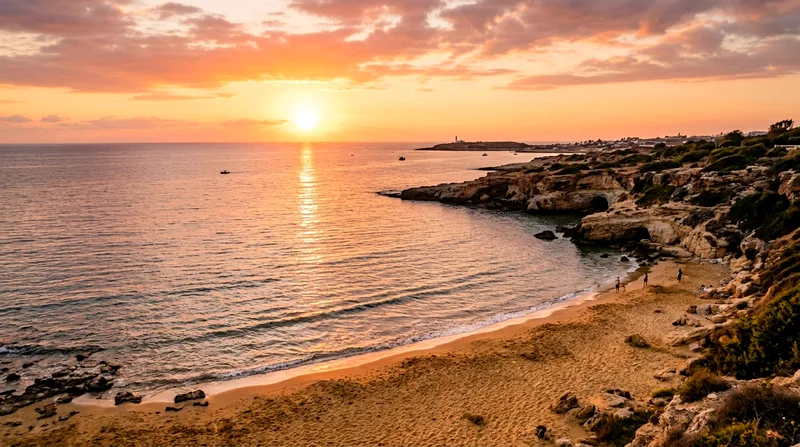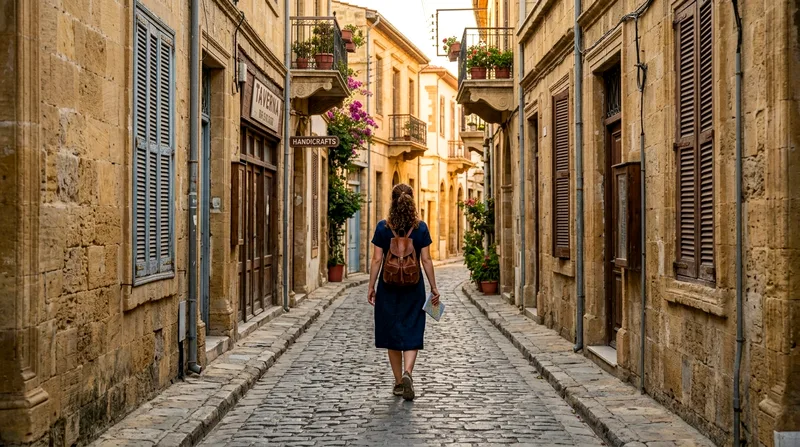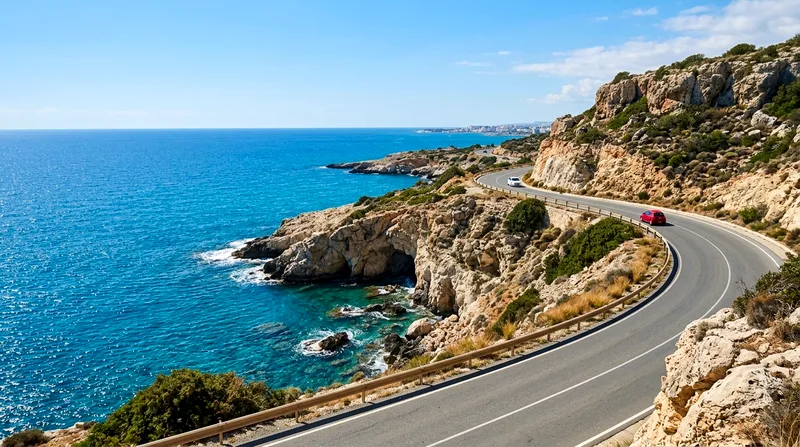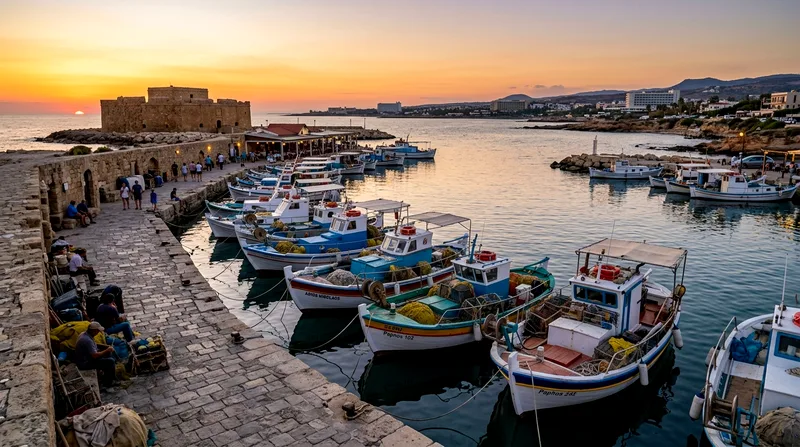
A practical 10 days in Cyprus itinerary covering Paphos, Troodos villages, Larnaca and Karpasia — slow food, hiking, watersports and real logistics.
Who This Itinerary Is For
This 10-day Cyprus itinerary is built for people who'd rather spend an afternoon in one mountain village than tick off five coastal towns in a day. If your idea of a good trip plan is slow lunches, a swim before the crowds arrive, and a couple of genuinely demanding hikes, this works. If you want nightlife, water parks, and an all-inclusive bracelet, book Ayia Napa instead and save yourself the driving.
It suits couples and solo travelers comfortable navigating with a rental car, European travelers used to self-driving holidays, and senior travelers who want good food and short hikes rather than long treks. Families can adapt it, though some of the Akamas trails and Troodos drives get long for small children — plan extra beach stops to compensate.
Compared with a typical Crete road trip, Cyprus feels more compact — you can cross the island west to east in under four hours — but the Troodos roads are narrower and slower than Crete's E75, so don't assume distances translate to driving times. Compared with Rhodes or Corfu, Cyprus has fewer "postcard" villages clustered together, so the reward is less obvious at a glance; you have to actually stop the car and walk into Kakopetria or Lofou to get it.
Ten days is tighter than the two-week Cyprus itinerary some guides recommend, so this plan deliberately covers three regions well rather than five regions badly. If you have fourteen days, add the Karpasia extension and a second Troodos base.
Day 1–3: Paphos and Akamas Peninsula
Base yourself in Paphos itself, or in Latchi if you'd rather wake up closer to the Akamas Peninsula. Paphos town has the better range of apartments and tavernas; Latchi is quieter and cuts 30 minutes off your drive to the peninsula's trailheads.
Morning and afternoon activities
Day 1, ease in: walk the Paphos Archaeological Park (allow two hours, entry around €4.50) and the harbor castle, then rest. Day 2, drive out to the Akamas Peninsula early — by 9am if you can — because the dirt road to the Blue Lagoon gets congested with jeep safaris by midday. A standard rental car (not 4x4) can usually reach Lara Bay, where loggerhead turtles nest between June and August, but the final stretch to the Blue Lagoon itself is rough gravel; a 4x4 or one of the organized jeep tours handles it far more comfortably. Day 3, hike part of the Aphrodite Trail, a loop of roughly 7.5km through the Akamas hills with sea views — budget three hours including stops, and carry more water than you think you need; there's no shade for long stretches.
Evening and dining
Skip the harbor-front restaurants with laminated English menus and multilingual touts — they're fine but overpriced and interchangeable. Drive 15–20 minutes inland to a village taverna in Kathikas or Pano Akourdaleia instead, where meze (expect 10–14 small dishes for around €18–22 per person) comes from what's grown locally, and the house wine is often from the village's own vineyard. One evening here is worth reserving ahead: a sunset boat tour along the Paphos coastline, which typically runs two to three hours and gives you the sea-cliff views of Akamas without the hike. Compare current boat tours and prices before you book — availability shifts with the season and sea conditions.
Day 4–6: Troodos Mountains and Villages
The drive from Paphos to the Troodos Mountains takes 70–90 minutes depending on your village of choice. Base yourself in Kalopanayiotis, Pedoulas, or Omodos — all three have small guesthouses rather than hotels, which suits the pace of this section better. Fuel up before you climb; mountain villages often have one small petrol station, if any.
Morning and afternoon activities
Day 4, settle in and walk Omodos itself — its monastery square and wine-making history make for an unhurried first afternoon. Day 5, drive the wine-village route through Omodos, Vouni, and Lofou; none of these are more than 20 minutes apart, so you can stop for coffee in one and lunch in another without losing the day to driving. Day 6, tackle a proper mountain trail: the Artemis Trail circles Mount Olympus at around 1,850m elevation over roughly 7km, mostly flat with good shade from pine forest — a good middle-difficulty hike for fit seniors and families with older kids alike. The Caledonia Falls trail is shorter (about 3km return) and better if legs are tired from the coast days.
Evening and dining
Troodos evenings are cooler — bring a layer even in summer, since mountain villages can drop 8–10°C below the coast after sunset. Tavernas here lean into slow food properly: expect kleftiko cooked for hours in a wood oven, local halloumi, and village bread, often at lower prices than the coast because there's less tourist markup. A worthwhile bookable experience is a guided wine-tasting at one of the Commandaria-producing wineries around Kalopanayiotis or Omodos — book a slot rather than turning up, as smaller producers often work by appointment only. If weather turns — the Troodos get real winter rain and occasional snow between December and March — swap the hiking day for a visit to one of the UNESCO-listed painted churches scattered through the region instead.
Day 7–9: Larnaca and Karpasia Peninsula
From the Troodos, Larnaca is about 90 minutes by car. This stretch of the itinerary trades mountains for the Mediterranean Sea again, with a detour toward the Karpasia Peninsula if you're willing to add driving time — it's roughly a 2.5-hour trip one-way from Larnaca to the peninsula's far end, so this works best as an overnight rather than a day trip.
Morning and afternoon activities
Day 7, use Larnaca as a soft landing — walk the Finikoudes promenade, visit the Church of Saint Lazarus, and if you dive or snorkel, the Zenobia wreck sits just offshore and ranks among the better wreck dives in the Mediterranean (certified divers only, arranged through a local dive center). Day 8, drive north toward the Karpasia Peninsula; note this requires crossing into the northern part of the island, which means a passport check at the crossing — bring your passport, not just an ID card. The peninsula's beaches, including the stretch near Golden Beach, are genuinely undeveloped compared with the south coast resorts. Day 9, if you skipped Karpasia, swap in watersports instead: Larnaca and nearby Pervolia are solid for kitesurfing and windsurfing from May through September, when the afternoon thermal winds are reliable.
Evening and dining
Larnaca's old town has better taverna options than its marina strip — look slightly inland from the seafront for places serving fresh fish by weight rather than fixed tourist-menu portions. On the Karpasia nights, options thin out considerably; most travelers eat at their guesthouse, which is part of the appeal if you want genuinely quiet evenings. One experience worth prebooking here is a half-day fishing trip out of Larnaca — small operators run these with four to six people aboard, and they typically fill up a day or two ahead in peak summer.
Day 10: Nicosia or Coastal Finale
Your last day is a genuine choice, not a formality. Nicosia is about 45 minutes from Larnaca and gives you something the rest of the itinerary doesn't: a divided capital city, with the Green Line still cutting through its old town. The coastal alternative is simply more beach and sea time before a flight.
Morning and afternoon activities
If you choose Nicosia, spend the morning walking the old walled city — the Venetian walls, the Ledra Street crossing point into the northern side, and the Cyprus Museum (entry around €4.50) for context on everything you've seen over the past nine days. It's compact enough to cover on foot in three to four hours. If you'd rather stay coastal, a slow morning at a quiet beach near Larnaca or back toward Paphos, depending on your flight, makes more sense than rushing a city visit on your last day — especially with kids or if you're flying out exhausted already.
Evening options
Nicosia's old town has a genuinely good, low-key dinner scene — more varied than you'd expect for a capital this size, with Cypriot, Lebanese, and Greek options within a few streets of each other. If you're flying from Larnaca International Airport the next morning, staying in Larnaca itself on the final night is the practical move rather than adding an hour's drive at 5am. Either way, this is not the night to book anything elaborate — treat it as a wind-down.
Getting Around Cyprus
Rent a car. This itinerary doesn't work well on public buses, which run infrequently between villages and almost never into the Troodos interior. A compact or small SUV costs roughly €25–45 per day depending on season and company, and you'll want the higher-clearance option if you're planning to drive any of the Akamas dirt tracks. Fuel is sold in liters and priced similarly to much of southern Europe — budget around €60–80 in fuel for the full loop described here.
Roads are generally good on the coast and between major towns, but the Troodos mountain roads are narrow, twisty, and occasionally pass livestock. Driving is on the left, a holdover from British rule, which catches out some European travelers used to right-hand driving — rental agencies will flag this, but give yourself an hour to adjust before tackling mountain hairpins.
If you're crossing to the Karpasia Peninsula, confirm your rental insurance covers travel into the northern part of the island — not all companies include this, and some charge an extra daily fee. Compared with Malta, where distances are shorter and a car is almost optional, Cyprus genuinely needs one; compared with Sicily, Cyprus roads are less congested but Troodos driving times run longer than the map suggests, so build in buffer time.
Where to Base Yourself
Three bases work better than one for this itinerary: Paphos or Latchi for days 1–3, a Troodos village (Kalopanayiotis, Pedoulas, or Omodos) for days 4–6, and Larnaca for days 7–10. Moving bases costs you a half-day of driving twice, but staying in one place and day-tripping everywhere else means far more time in the car overall — the Troodos alone are over an hour from either coast.
Paphos offers the widest range of apartments and mid-range hotels; Latchi is smaller and quieter but has fewer dining choices. In the mountains, guesthouses in restored stone houses are common and often better value than anything resembling a hotel — expect €60–100 per night for a double including breakfast, depending on season. Larnaca has more conventional hotel stock near the airport and seafront, useful given most international flights land there via the Cyprus Tourism Organisation's main gateway.
Avoid basing yourself in Ayia Napa or Protaras for this itinerary — both are well-run resort towns, but they sit at the wrong end of the island for the Troodos and Akamas legs, adding an hour or more to every transfer.
Splitting your 10 days across three bases — Paphos, a Troodos village, and Larnaca — covers more ground with less daily driving than staying in one spot.
Cyprus 10-day itinerary bases compared: location, cost, and best use
| Base | Nights | Typical Double Room (per night) | Best For | Drawback |
|---|---|---|---|---|
| Paphos / Latchi | 3 | €60–120 | Akamas hikes, boat tours, archaeology | Harbor restaurants overpriced |
| Kalopanayiotis / Omodos | 3 | €60–100 | Wine villages, mountain hiking, cooler air | Fewer dining options, winding roads |
| Larnaca | 3–4 | €55–110 | Watersports, Karpasia access, flights | Marina strip feels touristy |
| Nicosia (optional) | 0–1 | €50–100 | Old town, museums, divided-city history | Landlocked, needs a day trip |
Typical figures for double rooms outside peak August dates; prices rise in summer and around Easter, so check current rates before booking.
Optional Bookable Experiences
A handful of experiences across this trip are worth reserving a few days ahead rather than hoping to book on the day. The Paphos sunset boat tour and the Larnaca fishing trip both run on limited daily capacity in peak season (June–September) and fill up. Jeep safaris into the Akamas interior are similarly worth prebooking if you don't trust your rental car on gravel tracks. Wine-tasting appointments at smaller Troodos wineries often require 24–48 hours' notice.
None of these need booking the moment you land — a day or two ahead is usually enough outside August, the island's busiest month. If you're traveling in shoulder season (April–May or October), you'll have more flexibility and lower prices across the board, which is also when the hiking trails are far more comfortable than in July heat. Compare current prices and availability for boat tours, jeep safaris, and wine tastings before you book, since operators and schedules change season to season.
Frequently asked questions
Is 10 days enough time to explore Cyprus?
Ten days covers three regions well — Paphos and the Akamas, the Troodos Mountains, and the Larnaca/Karpasia stretch — without constant driving. It's not enough to also do Nicosia properly and the far east in depth; something has to give. If you want a genuine two-week Cyprus itinerary, add three or four extra nights split between Karpasia and the Troodos rather than rushing this plan.
What's the best time to visit Cyprus for this itinerary?
April–May and late September–October give you comfortable hiking temperatures, warm enough sea for swimming, and thinner crowds at the Blue Lagoon and in the Troodos villages. July and August push 35°C+ on the coast, which makes the Akamas hikes genuinely tough by midday. Winter works for Nicosia and the painted churches but rules out swimming and most boat tours.
Do I need a car to follow this 10-day plan?
Yes. Public buses connect major towns but rarely reach Troodos villages or the Akamas trailheads on a useful schedule. Budget €25–45 per day for a compact rental, more for an SUV if you want to handle Akamas dirt roads yourself rather than joining a jeep tour.
What should I pack for a 10-day Cyprus trip?
Layers matter more than people expect — Troodos evenings can be 8–10°C cooler than the coast, even in summer. Bring proper hiking shoes for the Artemis and Aphrodite trails, a reusable water bottle (shade is scarce on coastal hikes), and your passport if you plan to cross toward the Karpasia Peninsula, since an ID card alone isn't accepted at the checkpoint.
Can I customize this itinerary based on my interests?
Easily. Anglers and boaters can extend the Larnaca leg and add a full-day fishing charter; kitesurfers should shift the Larnaca days toward May–September for reliable thermal winds at Pervolia. Families with young children generally do better cutting one Troodos hiking day for extra beach time near Paphos or Larnaca instead.