Plan your solo Cyprus trip with this 5-day itinerary. Discover group tours, social hostels, safety tips and single-supplement advice for travelling alone.
Who This Itinerary Is For
This Cyprus solo travel itinerary is built for five days, which is enough time to cover the capital, the mountains, the west coast and a final coastal stop without racing between places. It suits someone travelling alone who wants a mix of structure and freedom — a couple of booked group tours for the logistics-heavy days, and open blocks for wandering, reading on a terrace, or deciding on a whim to stay an extra hour at a beach.
Solo travel Cyprus safety is rarely the issue people worry about before arriving. Cyprus has one of the lower crime rates in the EU, and solo female travellers generally report feeling comfortable walking in Nicosia, Paphos and Limassol during the day and early evening. The practical challenges are different: patchy public transport outside the main towns, and the single-supplement surcharge that hits solo bookings on package tours and some hotels.
If you're backpacking on a tight budget, this route works, but you'll want to book two things ahead — a hire car for days two and four, and your hostel beds in Nicosia and Paphos, since the social dorms with the best common areas fill up faster than private rooms. If your idea of a trip is sitting by one resort pool for five days, this itinerary isn't for you — it assumes you want to move around and talk to people along the way.
I'd avoid trying to do this as a rigid bus-only trip. Cyprus's intercity coaches (run mainly by Osea and smaller regional operators) connect Nicosia, Limassol, Paphos and Larnaca reasonably well, but the Troodos villages and Akamas Peninsula are poorly served by public transport — you'll lose half a day waiting for infrequent buses that may not run at all on Sundays.
Nicosia and Paphos suit public transport and hostel life, while Troodos and Akamas require a rental car or a booked tour.
Cyprus solo travel itinerary: stops compared by transport needs and cost
| Stop | Best transport | Daily budget (solo) | Good for meeting people | Car needed |
|---|---|---|---|---|
| Nicosia | Bus, walking | €35-€55 | Yes, hostel scene | No |
| Troodos Mountains | Rental car | €45-€70 | Limited | Yes |
| Paphos | Bus, walking | €35-€60 | Yes, hostel scene | No |
| Akamas Peninsula | Rental car or jeep tour | €50-€80 | Moderate, group tours | Yes |
| Larnaca | Walking, taxi | €30-€50 | Limited | No |
Typical daily figures for budget-to-midrange solo travel; prices vary by season, so check current rates before booking.
Day 1: Arrival and Nicosia Exploration
Most solo travellers land at Larnaca Airport, since it handles the bulk of international flights into Cyprus. From there, an airport bus or shared taxi gets you to Nicosia in roughly 45 minutes to an hour, for about €8-€15 depending on the operator and whether you share a taxi.
Morning and Afternoon in the Capital
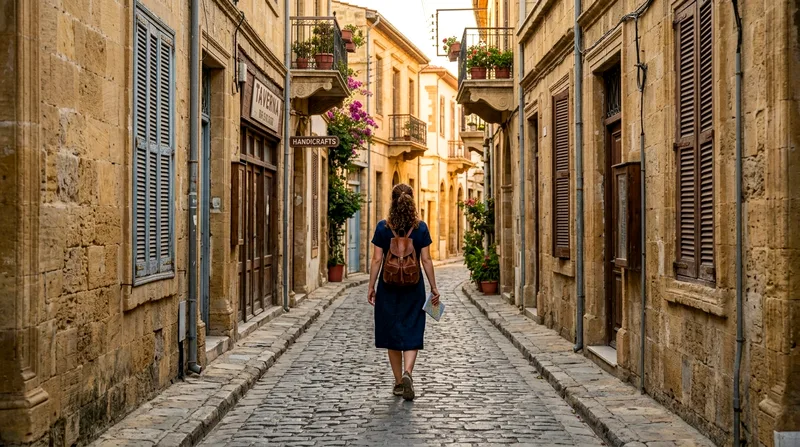
Spend your first afternoon in Nicosia's old town, inside the Venetian walls. Ledra Street is the obvious starting point — it crosses the UN buffer zone, and walking through the checkpoint into the northern, Turkish-administered side is a genuinely memorable half-day on its own (bring your passport; the crossing is informal but requires ID). Budget two to three hours for the old town's mix of Byzantine churches, the Cyprus Museum, and narrow streets lined with small workshops. Nicosia isn't a beach destination and some travellers skip it entirely in favor of more time on the coast — that's a mistake. It's the only place on the island where the division of Cyprus is visible and walkable, and it gives context to everything else you'll see.
Evening: Social Dining and Hostel Meetups
Nicosia has a small but genuine hostel scene — look for places with a shared kitchen or rooftop terrace, since that's where solo travellers actually end up talking to each other. Dorm beds run roughly €15-€25 a night; private single rooms, where available, add a premium that's still far cheaper than a hotel single-supplement rate. Book a walking food tour or a group meze dinner for this first evening if you want a fast way to meet other travellers — most Nicosia-based operators run small-group evening tastings through the old town that end naturally in a bar, which solves the "eating alone on night one" awkwardness.
Day 2: Troodos Mountains and Wine Villages
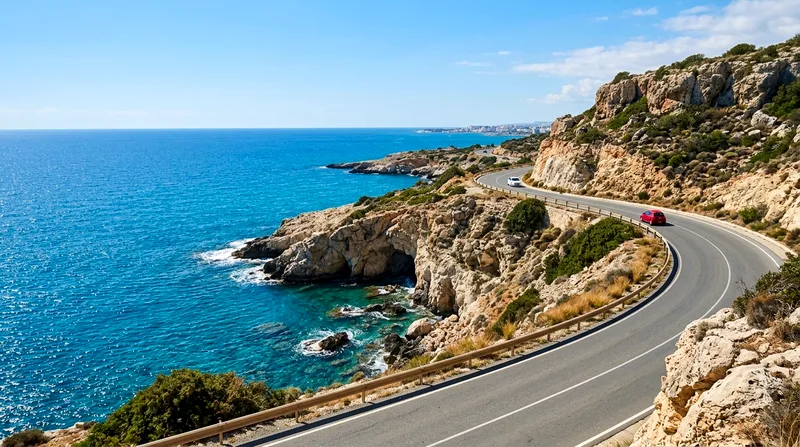
This is the day to rent a car, even if you drive nowhere else on the trip. Troodos Mountains villages — Omodos, Lofou, Kalopanayiotis — are connected by roads that twist through pine forest and vineyard terraces, but barely by bus. A rental for the day costs roughly €25-€40 including basic insurance, and it buys you access to places most solo backpackers never see because they're relying on infrequent coach services.
Morning: Mountain Scenery and Hiking
Head up early — Troodos roads are narrow and slower than the distances suggest, so what looks like 40km on a map can take over an hour. The Caledonia Falls trail near Platres is a manageable 3km round trip through shaded forest, good for a solo hiker without technical gear. Kykkos Monastery, one of the richest and most visited monasteries in Cyprus, is worth the detour if you have an interest in Orthodox religious history; otherwise prioritize the villages over the monastery if time is tight.
Afternoon: Wine Tasting and Local Culture
The Cyprus Wine Region around Omodos and the Krasochoria villages ("wine villages") produces Commandaria, one of the oldest named wines still in production. A small-group wine-tasting tour booked in advance — rather than solo tastings at random cellar doors — is worth it here, since many of the small family wineries only open for pre-arranged groups and a guide will also drive, which matters after a few tastings. Expect €35-€55 for a half-day tasting tour including three or four wineries and some food pairing. Compare this to a similar day in Crete's wine regions near Peza — Cyprus's version is smaller-scale and less polished, but noticeably cheaper and less touristed.
Day 3: Paphos Coastal Heritage
Drive or bus from Troodos down to Paphos — about 1.5 hours by car, longer by the connecting coach routes via Limassol. Paphos works well for solo travellers because the old harbour area is compact and walkable, and the hostel scene here rivals Nicosia's for social common areas.
Morning: Archaeological Sites and Mosaics
The Paphos Archaeological Park holds some of the best-preserved Roman mosaics in the eastern Mediterranean, inside the House of Dionysus and neighboring villas. Entry runs around €4.50, and you'll want two hours minimum to do it justice without rushing. The Tombs of the Kings, a UNESCO-listed necropolis a short walk or taxi ride from the harbour, pairs well with this as a second stop — combined, they make for a full, satisfying morning that beats similar Roman sites in Rhodes for sheer scale, if not for polish.
Afternoon: Harbour and Waterfront Dining
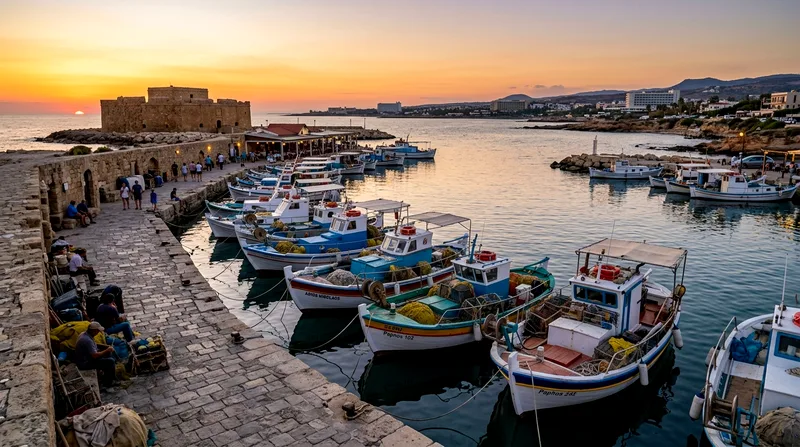
Paphos harbour in the afternoon is where you'll want to book a sunset boat tour — most run two to three hours, include a swim stop, and cost roughly €25-€40 per person, a reasonable single-traveller price since you're joining a shared group boat rather than paying for a private charter. It's one of the better bookable experiences on this whole itinerary precisely because it's inherently social — you'll be sitting with six to twenty other travellers. Avoid the overpriced harbourside restaurants directly on the water; walk two streets back for the same fish at half the price.
Day 4: Akamas Peninsula and Beach Time
The Akamas Peninsula, Cyprus's last major stretch of undeveloped coastline, is roughly 40 minutes north of Paphos by car. This is the second day you'll want your own wheels or a booked jeep safari, since public transport doesn't reach the trailheads or the Blue Lagoon area at all.
Morning: Nature Reserve Exploration
A group jeep safari tour is the easiest way to see Akamas solo — these typically run four to five hours, cost around €45-€60, and cover rough tracks a standard rental car isn't insured for. You'll stop at viewpoints over the Blue Lagoon, pass through the Baths of Aphrodite trailhead, and usually get an hour of free time to swim. If you'd rather hike independently, the Aphrodite Trail is a signposted 7.5km loop — doable solo, but bring more water than you think you need, since there's no shade and no services once you're past the car park.
Afternoon: Swimming and Sunset Activities
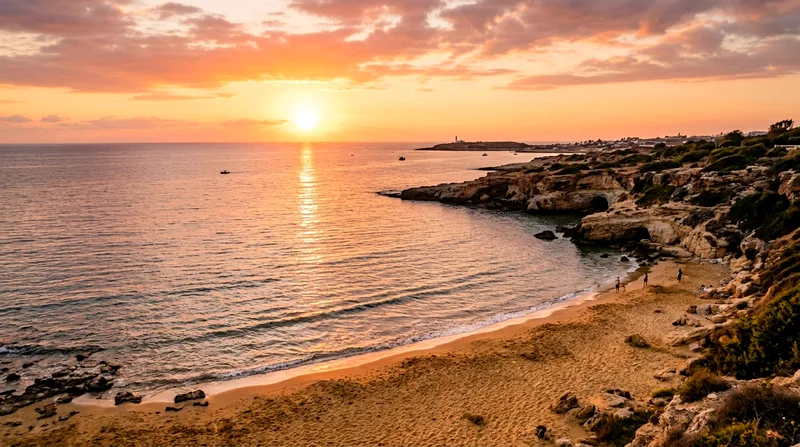
Lara Bay, within the reserve, is a genuinely quiet beach by Cyprus standards and one of the last nesting sites for loggerhead and green turtles on the island — worth the detour if you're there between May and August. Compare this stretch to Corfu's more developed west coast beaches: Akamas has far less infrastructure, which is the appeal, but also means no beach bars, limited shade, and patchy phone signal. Bring cash, food and sunscreen; don't expect to buy anything once you're past the entrance road.
Day 5: Larnaca and Departure
Return your rental car and head to Larnaca, either direct from Paphos (around 1.5 hours by car or bus via Limassol) or via an overnight stop if your flight timing allows. Larnaca is a sensible final base precisely because it's unglamorous and close to the airport — no pressure to pack in major sights on a travel day.
Morning: Salt Lake and Local Markets
Larnaca Salt Lake, dry for most of the summer but home to thousands of flamingos in winter, is a flat, easy walk right by the airport — a good low-effort morning activity with bags in tow. The Hala Sultan Tekke mosque sits on its edge and is worth ten minutes if you're passing. Afterward, the municipal market near Ermou Street is a decent spot to pick up Cypriot halloumi, olive oil and loukoumi for the flight home, generally cheaper than the airport shops.
Afternoon: Airport Transfer
Larnaca Airport is close enough to the town center — about 10-15 minutes by taxi, roughly €10-€15 — that you don't need to leave an excessive buffer. If your flight's in the evening, use the extra hours for Finikoudes Beach promenade, a flat, walkable stretch with cafes where solo travellers can comfortably sit for a last coffee without feeling conspicuous. Skip the hour-long city bus if you've got luggage; the time saved by taxi is worth the extra few euros on departure day.
Frequently asked questions
Is Cyprus safe for solo travellers?
Yes, broadly — Cyprus has a low violent crime rate and solo female travellers commonly report feeling safe walking in Nicosia, Paphos and Limassol in daylight and early evening. Standard precautions apply: stick to well-lit streets at night, keep an eye on drinks in bars, and be more cautious around the UN buffer zone checkpoints, which are safe but require carrying your passport.
What is the best time to visit Cyprus alone?
Late April to early June and September to October offer the best balance — warm enough to swim, cool enough to hike the Troodos trails without heat exhaustion, and fewer package-tour crowds than July and August. Winter works too if you want quiet mountain villages and don't mind skipping the beach days.
How do solo travellers avoid single supplements?
Book hostels with private single rooms instead of hotel doubles, join small-group day tours (jeep safaris, wine tastings, boat trips) priced per person rather than per room, and use platforms that let you filter for "solo-friendly" accommodation. Some boutique guesthouses in Paphos and Nicosia charge no supplement at all for single occupancy outside peak season.
Can you get around Cyprus without a car?
Between Nicosia, Limassol, Paphos and Larnaca, yes — intercity buses run several times daily and cost €5-€10 per route. Reaching the Troodos villages or the Akamas Peninsula without a car is impractical; buses there are infrequent, seasonal, and often don't run on Sundays at all.
Where do solo travellers meet other people?
Hostel common areas and rooftop terraces in Nicosia and Paphos are the most reliable spot, followed by small-group day tours — wine tastings, jeep safaris and sunset boat trips — which put you with the same six to fifteen people for several hours. Walking food tours on the first night of a trip work especially well for breaking the ice quickly.