Explore the best Cyprus museums with practical tips on tickets, free-entry days, and guided tours. Compare archaeological, castle and art museums before booking.
Which Museum Type Suits You
Cyprus packs an unusual amount of museum variety into a small island — Neolithic pottery, Greco-Roman mosaics, Byzantine icons, Ottoman-era forts, and contemporary galleries all sit within a two-hour drive of each other. The mistake most first-time visitors make is treating "doing the museums" as one task, when really you're choosing between three or four quite different experiences. Someone who wants Bronze Age tombs and mosaic floors has almost nothing in common, as a visitor, with someone chasing modern Cypriot painting.
Best Cyprus museums searches tend to surface the same handful of names — the Cyprus Museum in Nicosia, Limassol Castle, the Larnaca District Archaeological Museum — but which of these actually suits you depends on what you came to Cyprus to do. If you're splitting a week between Paphos ruins and Troodos villages, your museum time is better spent on compact, focused collections rather than sprawling ones. If you're based in Limassol for a beach week, a half-day castle visit breaks things up without eating your whole day.
History and archaeology enthusiasts
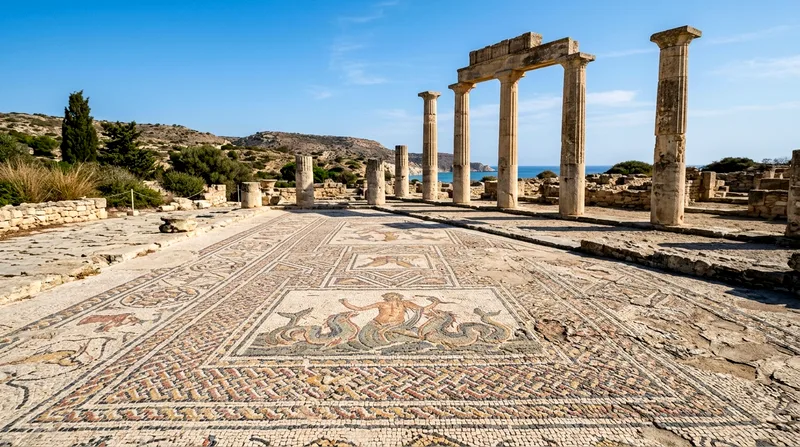
For this group, the Cyprus Museum in Nicosia is the non-negotiable stop — it holds the island's largest archaeological collection, including material from Neolithic Khirokitia through Roman Cyprus, and most visitors need 90 minutes to two hours to do it justice. Pair it with the Paphos Archaeological Park, where mosaic floors sit outdoors near where they were excavated, and the Larnaca District Archaeological Museum, smaller and less crowded, covering finds from nearby Kition and Choirokoitia. Avoid trying to fit all three into one day — the driving alone between Nicosia and Paphos is close to two hours, and fatigue sets in fast once you've seen a dozen display cases of similar pottery.
Art and culture lovers
The Byzantine Museum, attached to the Archbishop Makarios III Cultural Foundation in Nicosia, holds one of the largest icon collections in the Eastern Mediterranean — some pieces date back to the 8th century. It's a quieter, slower visit than the Cyprus Museum, and better suited to people who want to linger rather than tick off galleries. For something more contemporary, Nicosia and Limassol both have small modern and municipal art galleries worth an hour, though they're inconsistent in opening hours and not worth a special trip on their own — bundle them with a city walk instead.
Family-friendly options
Limassol Castle works well with children aged roughly seven and up — it combines a climbable medieval structure with a Cyprus Medieval Museum inside, including armor and tombstones that hold kids' attention better than glass cases of coins. Thalassa Municipal Museum of the Sea in Ayia Napa, with its full-scale ship replica, is a better bet for younger children who need something physical to look at rather than read labels about. Skip the denser archaeological museums with kids under six — expect restlessness within 20 minutes, and most of these buildings aren't designed for prams.
Top Museum Categories Compared
Grouping Cyprus's museums by category, rather than by city, makes booking decisions easier. Each category has a distinct pace, a distinct audience, and a distinct reason to go — or skip it.
Archaeological museums reward slow, focused visits, while castle museums suit families and shorter attention spans.
Best Cyprus museums compared by location, cost, duration and visitor type
| Museum | Location | Typical entry cost | Typical visit duration | Best for |
|---|---|---|---|---|
| Cyprus Museum | Nicosia | Moderate (low single-digit euros) | 1.5–2 hours | History and archaeology enthusiasts |
| Byzantine Museum | Nicosia | Moderate | 1–1.5 hours | Art and icon lovers |
| Limassol Castle & Medieval Museum | Limassol | Moderate | 45 min–1.5 hours | Families, castle fans |
| Larnaca District Archaeological Museum | Larnaca | Low | 45 min–1 hour | Quick regional history stop |
| Paphos Archaeological Park | Paphos | Moderate | 2–3 hours (outdoors) | Mosaic and ruins enthusiasts |
| Thalassa Municipal Museum of the Sea | Ayia Napa | Low–moderate | 45 min–1 hour | Families with young children |
Figures are typical ranges based on standard published entry fees; check current prices and any combined-ticket options before booking.
Archaeological museums
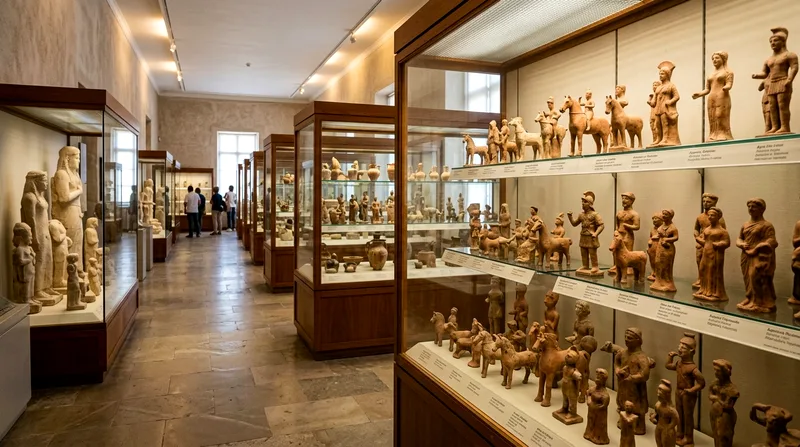
These dominate the island's museum scene and include the Cyprus Museum, the Larnaca and Paphos district museums, and smaller site museums near Kourion and Kition. Expect glass cases of pottery, figurines, jewellery, and tools spanning several thousand years, usually arranged chronologically. They suit visitors with a genuine interest in ancient history and reward slow, careful looking — rushing through defeats the purpose. The downside: without context, rows of similar-looking pottery shards blur together fast, which is exactly where a guided tour or audio guide earns its cost.
Castle and fortress museums
Limassol Castle is the standout here, built on the site of an earlier Byzantine fort and reputedly linked to Richard the Lionheart's wedding to Berengaria of Navarre in 1191. Kolossi Castle, a short drive from Limassol, and the Paphos and Larnaca forts offer smaller-scale versions of the same experience — climbable towers, coastal views, and far less reading than an archaeological museum requires. These suit families, photographers, and anyone who prefers walking through a building over studying it from behind glass. Limassol castle museum entry typically includes access to the medieval collection inside, so check whether your ticket covers both the structure and the exhibits before you go.
Art and modern galleries
Smaller and less consistently staffed than the big archaeological sites, Cyprus's art galleries reward travellers who build them into a wider city walk rather than a dedicated trip. The Byzantine Museum sits apart from this category in scale and importance — treat it more like an archaeological-tier stop. Municipal contemporary galleries in Nicosia and Limassol are free or near-free in many cases, but opening hours shrink outside peak season, sometimes to three or four days a week, so confirm hours the same day you plan to visit.
What to Look for When Booking
Booking museum access in Cyprus is usually simple, but a few details separate a smooth visit from a frustrating one — particularly around group tours and cancellation terms, which vary more than you'd expect for a small island.
Ticket inclusions and group sizes
Standalone entry tickets to Cyprus's state museums are generally inexpensive and don't require advance booking outside peak season — you can usually just turn up. Guided museum tours Cyprus operators run, however, often bundle two or three sites into a half-day itinerary with transport included, which matters if you don't have a hire car. Check whether the group size is capped — anything over 20 people in a room like the Byzantine Museum's icon galleries makes it hard to actually see anything, and some smaller museum rooms genuinely can't hold large groups comfortably.
Cancellation policies and guided-tour add-ons
Free cancellation up to 24 hours before a tour is fairly standard for bundled museum-and-transport packages, but always check the fine print — some add-ons like private guide upgrades or skip-the-line access carry stricter non-refundable terms. If a tour mixes a museum with an outdoor archaeological site, ask whether the walking is guided throughout or whether you're left to wander the ruins unaccompanied after an initial introduction — this changes the value of the "guided" label considerably, and not every operator is clear about it upfront.
Best Times to Visit and Book
Timing affects museum visits in Cyprus more than people expect, mostly because of heat and tour-bus traffic rather than museum capacity itself.
Peak season vs. shoulder season
July and August bring coach groups to Limassol Castle and the Cyprus Museum by mid-morning, and indoor museums become a popular heat-escape for beachgoers — expect busier galleries between 11am and 2pm. Shoulder season, April–May and September–October, gives you cooler outdoor sites like Paphos's mosaics without the midday crush, and museum staff generally have more time to answer questions. Winter (December–February) is quietest of all and suits senior travellers or anyone avoiding crowds, though some smaller regional museums trim their opening hours during this period.
Advance booking benefits
For most state-run museums, advance booking isn't necessary — queues are rarely long outside July and August. Where it genuinely helps is with guided tours bundling multiple sites, since popular combined itineraries (castle plus archaeological museum, for example) can fill their group slots during peak weeks. Booking a day or two ahead also lets you lock in a cancellation window, which matters if your itinerary depends on weather — outdoor sites like Paphos's mosaic park are far less pleasant in a midday August sun than a shaded 9am slot.
Free Entry and Discount Days
Cyprus's state museums, including the Cyprus Museum and several district archaeological museums, have historically offered free admission on specific dates tied to cultural heritage observances — these shift periodically, so always check the Department of Antiquities' current schedule rather than relying on an old list. Discounts are also commonly available for students, seniors over 65, and children, usually requiring ID at the entrance rather than pre-registration. Group tour discounts exist mostly through tour operators bundling multiple sites rather than through the museums themselves, so if you're traveling with four or more people, compare a bundled day tour against separate entry tickets — the math sometimes favors going independently, especially if you're not interested in every site on the bundled itinerary.
One thing worth flagging: free-entry days draw noticeably larger crowds, particularly at the Cyprus Museum and Limassol Castle, so if your priority is a quiet, unhurried visit rather than saving a few euros, a regular paid day is the better trade. Families on a tight budget, on the other hand, should plan a trip around these dates deliberately — it's one of the few ways to see four or five sites across a week without the costs adding up.
Frequently asked questions
What are the most visited museums in Cyprus?
The Cyprus Museum in Nicosia and Limassol Castle draw the largest numbers, followed by the Paphos Archaeological Park and the Byzantine Museum. The Larnaca District Archaeological Museum sees fewer visitors, which makes it a good choice if you want a calmer, less rushed experience of similar material.
Do Cyprus museums offer free entry days?
Yes — state-run museums under the Department of Antiquities have periodically offered free admission on designated cultural dates, though the exact calendar changes. Check the current schedule before your trip rather than assuming a specific date applies, since relying on outdated information is a common mistake.
Are guided tours available at major museums?
Guided museum tours Cyprus-wide are common, especially bundled tours combining the Cyprus Museum with Byzantine Museum visits in Nicosia, or Limassol Castle with Kourion's archaeological site. Standalone on-site guides are less consistent — some museums have them available at the entrance, others require pre-booking through a tour operator.
What's the best time to visit museums in Cyprus?
Shoulder season mornings — April, May, September, October, before 11am — offer the best balance of comfortable temperatures and lighter crowds. Avoid midday visits in July and August, when coach tour groups cluster at the same two or three sites and indoor spaces get uncomfortably busy as people escape the heat.
Can I book museum tickets online in advance?
Standalone entry to most state museums doesn't require advance online booking — you can pay at the door outside peak periods. Bundled guided tours and multi-site day packages are usually booked online in advance, and this is where checking current prices and cancellation terms before confirming actually matters.