Cyprus donkey farm tickets, feeding times, and age tips for Camel Park Mazotos. Compare independent visits vs tours and plan your trip.
What Is the Cyprus Donkey Farm?
The Cyprus Donkey Farm sits inland from the south coast, between Limassol and Larnaca, and functions as both a working sanctuary and a visitor attraction. It houses several dozen donkeys — numbers shift as new animals are taken in — many of them rescued from neglect or retired from agricultural work once mechanisation made them redundant on Cypriot farms. That's the backstory worth knowing before you buy a ticket: this isn't a petting zoo built from scratch for tourists, it's a rescue operation that happens to welcome paying visitors to help fund its upkeep.
Expect open paddocks, shaded shelters, and a small shop selling donkey-milk soap and similar products — genuinely one of the better souvenir options in Cyprus, better than another magnet or keyring. The farm also produces donkey milk, marketed for cosmetic use, which is part of how it sustains itself financially.
Sanctuary mission and animal welfare
Welfare standards here are generally solid by regional standards — animals have access to shade, water troughs are maintained, and staff actively discourage rough handling. That said, don't expect Western European sanctuary polish; fencing and signage are functional rather than slick. If you've visited a donkey sanctuary in the UK or similar, lower your expectations for interpretive displays and raise them for direct animal contact — you'll get closer to the donkeys here than most regulated sanctuaries would allow.
Why visitors choose this attraction
Most visitors come for one reason: hand-feeding. Carrots and specific feed (usually sold on-site) let you interact directly with the animals, which is a bigger draw for children than any plaque or exhibit could be. Couples and senior travelers tend to enjoy the slower pace too — it's not a theme park, there's no queueing for rides, just a walk around enclosures at your own speed, typically done in 45 minutes to an hour.
Camel Park Mazotos: Overview and Experience
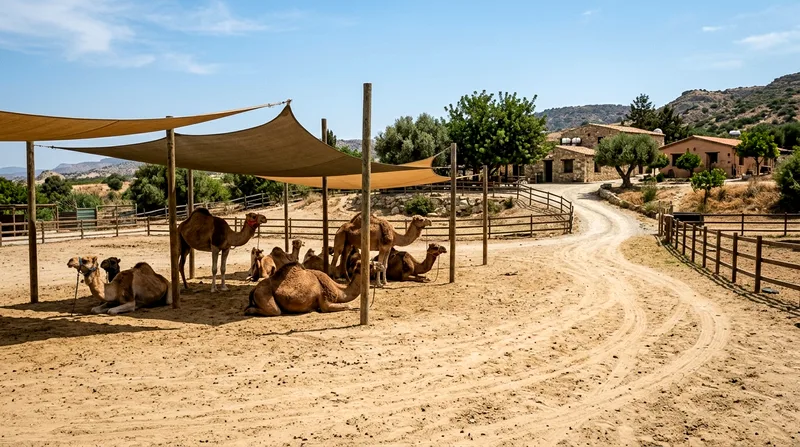
Camel Park Mazotos, near the village of Mazotos between Larnaca and Limassol, is the larger and more commercial of the two attractions. It holds one of the biggest camel populations in Europe — the operators have cited figures in the range of 20 or more camels on-site, alongside other animals including ostriches, llamas, and smaller farm species. This is less a sanctuary and more a themed animal park, and it reads that way: more structured paths, a restaurant on site, and a gift shop with a wider range than the donkey farm's.
Park layout and animal encounters
The layout is straightforward — a loop path through camel paddocks, mixed-animal enclosures, and a central feeding area. Budget 1.5 to 2 hours if you want to see the whole park, eat at the restaurant, and let kids feed the animals without rushing. The restaurant serves standard Cypriot and international dishes; it's not the reason to visit, but it's useful if you're making this a half-day stop rather than a quick detour off the motorway.
Interactive activities and photo opportunities
Camel feeding is the headline activity, and most visitors also stop for photos beside a seated or standing camel — a near-guaranteed photo opportunity, staff tend to be used to arranging this. Whether you can actually ride a camel varies by season and animal welfare policy at the time, so don't book a visit purely expecting a camel ride; treat feeding and photos as the reliable part of the experience and riding as a bonus if it's offered.
How to Visit: Independent vs. Guided Tours
Both attractions sit close enough to major routes that independent visits are entirely practical — you don't need a tour to access either site. The real decision is about convenience versus cost, and for most travelers with a rental car, independent visiting wins.
Self-guided visit logistics
Driving is the simplest approach. Both sites have free on-site parking, and they're roughly 20-30 minutes apart by car, making a combined visit in one day realistic if you start by mid-morning. If you're not driving, options thin out — public buses don't run direct routes to either location, so you're looking at a taxi from Larnaca (roughly 20-25 minutes to either site) or a private transfer. For solo travelers without a car, this is the main friction point: factor in return taxi costs, which can add up more than the entry tickets themselves.
Organized tour options and benefits
Guided day tours bundling both attractions — sometimes with a winery stop or a Larnaca Salt Lake detour — are commonly available through local operators and online booking platforms. These suit travelers without a car, cruise passengers with limited time in Larnaca port, or families who'd rather not navigate rural Cypriot roads themselves. The trade-off is time: tours move on a fixed schedule, so you lose the freedom to linger at feeding time or skip a stop that doesn't interest your kids. Compare current tour prices and itineraries before booking — bundled tours are often similar in price to paying separate entry plus a taxi, so check what's actually included.
Tickets, Entry Fees, and Opening Hours
Expect standard adult entry at both attractions to sit in a modest bracket — think of it as similar to a regional museum ticket rather than a major theme park, with reduced rates for children and typically free entry for toddlers under a set age (commonly around 2-3 years old). Feed (carrots, pellets) is usually sold separately in small bags, a minor extra cost worth budgeting a few euros for.
The donkey farm suits a shorter, calmer visit, while Camel Park Mazotos works better as a half-day stop with food and a wider range of animals.
Cyprus donkey farm tickets vs Camel Park Mazotos: visit comparison
| Attraction | Typical Visit Length | Best For | Riding Available | Food On-Site |
|---|---|---|---|---|
| Cyprus Donkey Farm | 45-60 min | Younger kids, calm pace | No | Snack/drinks stand only |
| Camel Park Mazotos | 1.5-2 hours | Families, photo stops | Seasonal/variable | Full restaurant |
Typical figures based on standard visitor patterns; hours, pricing, and riding availability vary seasonally, so check ahead before you travel.
Pricing structure and discounts
Family tickets covering two adults and two children are commonly offered and usually work out cheaper than buying individually — ask at the entrance if it's not advertised. Senior discounts exist at some Cyprus attractions but aren't guaranteed here, so don't assume one without checking. Group rates may apply for parties of ten or more, relevant if you're traveling with an extended family or a small tour group.
Seasonal hours and booking information
Both attractions typically run shorter hours in winter (roughly November through March) and extended hours through the summer season. Neither site requires advance booking for independent entry in most cases — you can usually just turn up and pay at the gate — but it's worth checking current hours before you drive out, since Cyprus attractions do adjust schedules around public holidays and off-season demand. If you're booking as part of a package or combined tour, that does require advance reservation, sometimes 24-48 hours ahead. Compare current prices and hours before you book, since both can shift seasonally.
Best Time to Visit and What to Expect
Cyprus heat is the single biggest factor in planning either visit. Summer afternoons regularly push past 35°C inland, and animals — like visitors — retreat to shade and get sluggish. That's not when you want to show up expecting lively feeding interactions.
Optimal seasons and weather considerations
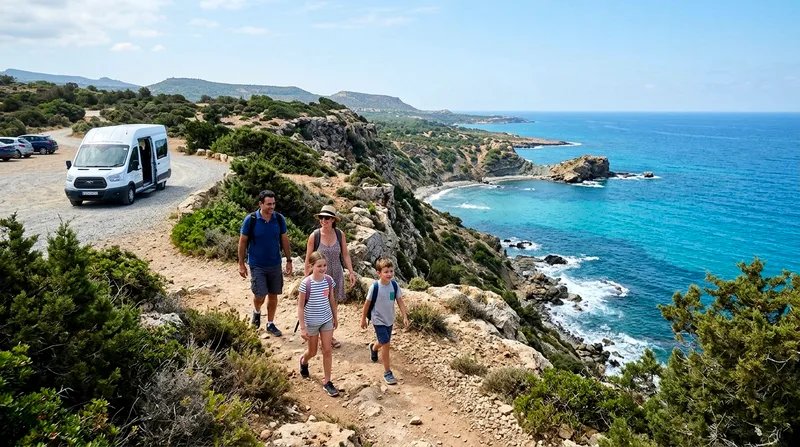
Spring (March-May) and autumn (September-November) offer the best combination of comfortable temperatures and active animals. If you're traveling in July or August, aim for morning visits, ideally before 11am, and bring water, sun hats, and sunscreen regardless of season — there's limited natural shade along some of the walking paths at Camel Park Mazotos in particular.
Feeding times and crowd patterns
Animals tend to be most responsive in the hours after opening and again in late afternoon, once the midday heat passes — this is also when staff are most likely to be around to help younger kids feed safely. Expect the heaviest crowds around midday during peak summer weeks and on weekends with Cypriot families; if you want quieter paths for photos, a weekday morning visit is the better call, something senior travelers and couples will appreciate more than families tied to school holidays.
Nearby Attractions and Add-Ons
Both sites sit in the stretch of coastline between Larnaca and Limassol, which makes them easy to fold into a broader day out rather than a dedicated round trip.
Complementary activities in the region
Larnaca's Salt Lake and the Hala Sultan Tekke mosque are roughly 20-30 minutes from both attractions and worth combining if you're already driving out this way — especially from November to March, when the lake occasionally hosts flamingos. Larnaca's palm-lined seafront (Finikoudes) makes a reasonable lunch stop afterward. If you're based toward Paphos instead, the drive out to either attraction runs closer to an hour, which changes the day-trip math — it's more realistic as a one-attraction stop than a combined visit if you're coming from that direction.
Combination visit recommendations
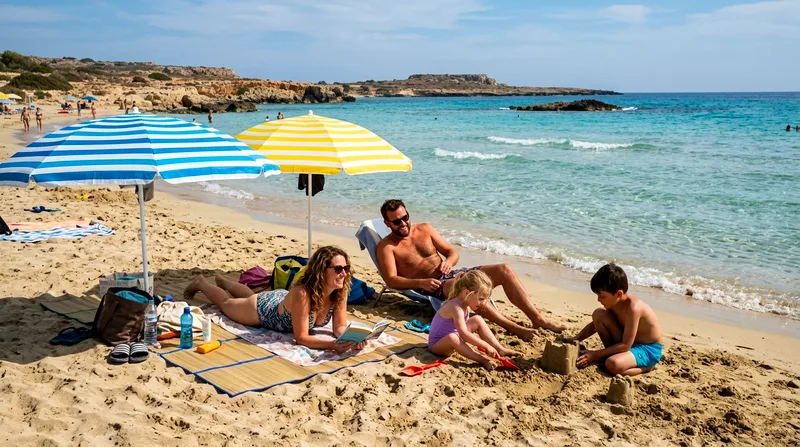
Pairing the donkey farm and Camel Park Mazotos in a single day works well logistically, but don't overdo it — back-to-back animal attractions can feel repetitive for kids under six, who may lose interest by the second stop. A better combination for families is one animal attraction plus a beach stop, rather than two similar sites in a row. Compare that against a Cyprus itinerary built around Crete or Rhodes, where animal parks are less of a feature — Cyprus genuinely stands out regionally for this kind of hands-on farm tourism, more so than Malta or Corfu, which lean harder into historical sites instead.
Frequently asked questions
What is the best age to visit the donkey farm?
Children aged 3 to 10 tend to get the most out of it — old enough to hold feed safely, young enough to find donkeys genuinely exciting. Toddlers under 2 are usually fine too since entry is often free for that age group, but they'll need supervision near enclosure fences. Teenagers and adults without kids may find 45 minutes plenty.
Can you ride camels at Mazotos park?
Camel riding availability varies and isn't guaranteed on every visit — it depends on the season, animal rotation, and current park policy. Treat feeding and photo opportunities as the reliable part of a visit, and ask at the entrance about riding on the day rather than assuming it'll be available.
Are tickets cheaper if booked online?
Not necessarily — both attractions are typically pay-at-the-gate, and standard entry prices don't usually differ much between online and on-site purchase. Discounts are more likely to come from family or group tickets than from online booking specifically. If buying through a bundled tour, compare the total cost against separate entry plus transport before assuming it's cheaper.
What should I bring when visiting these attractions?
Closed-toe shoes (you're walking on dirt and occasionally manure), sun protection, water, hand sanitiser or wipes after feeding animals, and small change for feed bags and the gift shop. A hat is genuinely useful at Camel Park Mazotos, where shade is limited along parts of the walking loop.
How long does a typical visit take?
Plan 45-60 minutes for the donkey farm alone, and 1.5-2 hours for Camel Park Mazotos if you're eating there too. Combined, with driving time between them (20-30 minutes), budget half a day — roughly 9am to 1pm works well to avoid peak heat and crowds.